


New mothers returning to work face a common challenge: how to continue breastfeeding while holding down a job. Whether you pump during breaks, need a private space, or worry about your boss’s reaction, the law actually has a lot to say about your rights.
California has some of the strongest lactation accommodation laws in the country. Combined with federal protections under the PUMP Act, nursing employees have clear legal rights to break time, private space, and protection from retaliation. This guide covers everything you need to know.
The Basics: What California Law Requires

Under California Labor Code Sections 1030–1034, every employer, including state and local government, must provide lactation accommodations to employees who need to express breast milk. These requirements apply to all California employers, regardless of company size or minimum employee threshold. If you work for a company in California, you have lactation rights.
Here’s what employers must provide:
- Reasonable break time- Employers must allow a reasonable amount of break time for employees to express milk each time they need to pump. There’s no fixed limit on frequency or duration as it depends on the employee’s needs.
- A private space- The space must be close to your work area, shielded from view, free from intrusion by coworkers and the public, and not a bathroom.
- Basic amenities-The lactation space must include a surface to place a breast pump and personal items, a place to sit, and access to electricity (or charging stations for battery-powered pumps), a sink with running water nearby, and to a refrigerator or cooling device for storing milk.
- A written policy- Under Labor Code Section 1034, employers must maintain a lactation accommodation policy that explains how employees can request accommodations. This policy must be included in employee handbooks and provided at hiring.
Federal Law: The PUMP Act
In addition to California law, federal protections apply under the PUMP for Nursing Mothers Act, which amended the Fair Labor Standards Act in December 2022. The PUMP Act:
- Requires employers to provide reasonable break time for pumping
- Requires a private space that is not a bathroom
- Applies to most employees, including teachers, nurses, farmworkers, and managers
- Allows employees to sue for violations
Before the PUMP Act, federal protections only applied to non-exempt employees. Now, exempt employees (salaried workers not entitled to overtime) are also protected.
Small employer exemption: Employers with fewer than 50 employees may be exempt from PUMP Act requirements if compliance would create an “undue hardship.” However, this exemption is narrow and rarely applies. Most small employers must still provide lactation accommodations. As California’s requirements are generally stronger than federal law, California employees are protected by whichever law provides greater rights.
Do I Get Paid While Pumping?

Getting paid while pumping will entirely depend on when you pump. For example, if you pump during your regular paid breaks, you must be paid because California employees are entitled to 10-minute paid rest breaks for every four hours worked. If you use this time to pump, you’re still entitled to full pay.
On the other hand, if you need additional time beyond your regular breaks, that extra time can be unpaid because the law does not require employers to pay for pumping time that extends beyond standard rest periods.
However, if you perform work while pumping, you must be paid for the entire time, whether if you answer emails, take calls, or do any work tasks while expressing milk, the break becomes compensable time. California law does not require employers to let you extend your workday to make up unpaid pumping time, but many employers allow flexible scheduling, so it’s worth asking.
Can My Employer Make Me Pump in a Bathroom?
California law explicitly prohibits employers from designating a bathroom as the lactation space even if it’s a single-occupancy restroom. The law is clear: a bathroom is not an acceptable location for expressing breast milk and this applies whether it’s a toilet stall, a bathroom with a lock, or any other restroom area. If your employer tells you to pump in a bathroom, that’s a violation of California law.
Can I Store My Breast Milk in the Company Refrigerator?
California law requires employers to provide access to a refrigerator suitable for storing breast milk in close proximity to your workspace. This can be a shared break room refrigerator, a dedicated unit in the lactation room, or any other refrigerator the employer makes available.
You can also use your own insulated cooler if you prefer. The employer’s obligation is to provide access to refrigeration, they cannot refuse to let you store milk safely.
What If My Workplace Doesn’t Have a Dedicated Lactation Room?
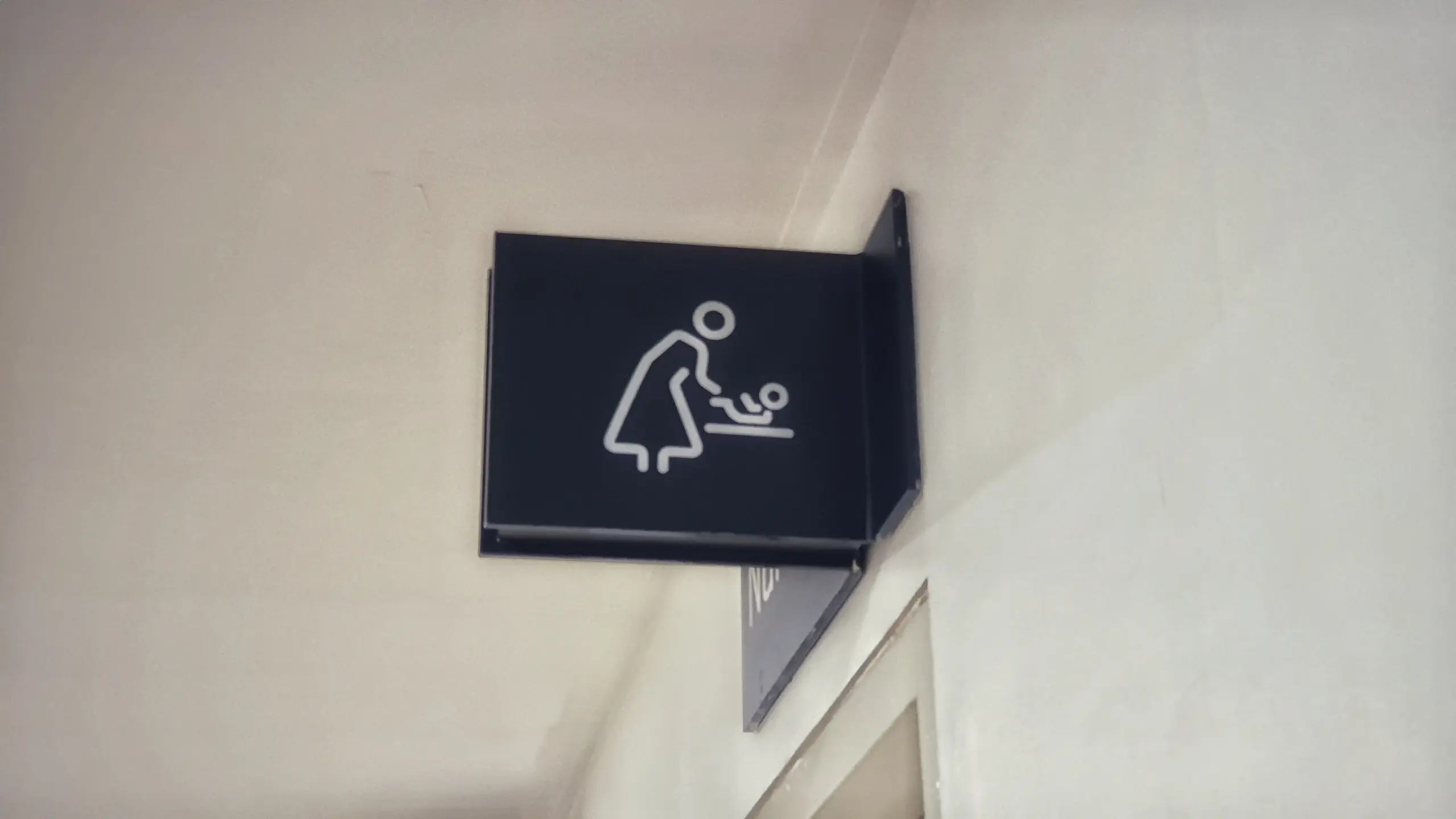
Not every workplace has a permanent pumping room, and the law doesn’t require one. What matters is that the space meets the requirements when you need it. Acceptable alternatives include:
- A private office (your own or someone else’s)
- A vacant conference room
- A storage room with a door and covered windows
- A temporary space created with partitions or privacy screens
- Your own workspace, if it meets privacy requirements
If a multipurpose room is used for lactation, pumping takes priority over other uses during the time you’re expressing milk. For multiemployer or multitenant buildings, employers can comply by providing a shared lactation space among multiple employers in the building, if they cannot provide one within their own workspace.
Meanwhile for agricultural employers, they may provide a private, enclosed, shaded space close to the employee’s work area even if it’s a temporary or mobile structure.
How Long Can I Take for Each Pumping Break?
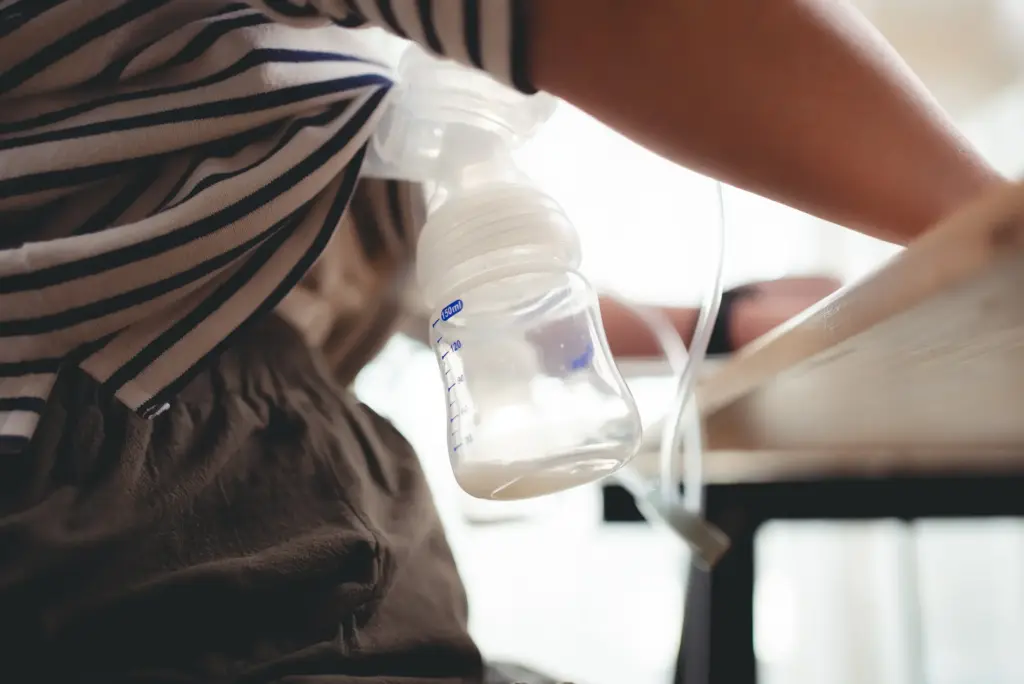
There’s no strict time limit for a pumping break as the law requires a “reasonable” break time, which varies based on individual needs. The U.S. Department of Labor has noted that expressing milk typically takes 15–20 minutes, but a reasonable break also includes time to:
- Walk to and from the lactation space
- Set up and break down pump equipment
- Wash hands before pumping
- Clean pump parts after pumping
- Store milk in a refrigerator or cooler
Most nursing mothers need to pump every 2–3 hours, so for an 8-hour shift, that typically means 2–3 pumping sessions, with longer shifts require more. Employers cannot require you to follow a fixed schedule that doesn’t match your actual needs. While you and your employer can agree on a general schedule, it must be flexible enough to accommodate when your body actually needs to express milk.
How Long Do These Rights Last?
Under California law, there is no upper time limit, because you’re entitled to lactation accommodations for as long as you’re breastfeeding, even if your child is older than one year. Meanwhile under federal law (PUMP Act), protections apply for one year after your child’s birth.
This means California employees have broader protections. If you’re still pumping when your child is 14 months old, California law still protects you even though federal protections would have expired.
What If I Work Remotely?
Remote employees have the same lactation rights. Under the federal PUMP Act, employees working from home must be free from observation by computer camera, security camera, or web conferencing platform while pumping. If your employer requires you to keep your camera on during meetings or work hours, you have the right to turn it off while expressing milk.
Does My Employer Have to Provide a Breast Pump?
Neither California nor federal law requires employers to provide breast pumps. You’re responsible for bringing your own pump and supplies. However, employers must provide:
- A flat surface to place your pump
- Access to electricity or charging stations
- Running water nearby for cleaning
Some employers voluntarily provide pumps or pumping supplies as a benefit, but this isn’t legally required.
What If My Employer Refuses to Accommodate Me?
If your employer denies you break time or adequate space to pump, you have several options:
- File a wage claim- Under Labor Code Section 1033, denial of lactation breaks is treated the same as a missed rest break. You can file a wage claim with the Labor Commissioner to recover one hour of pay at your regular rate for each day you were denied proper accommodations.
- Report the violation- You can file a complaint with the Labor Commissioner’s Bureau of Field Enforcement (BOFE). After investigation, BOFE can issue citations of $100 per day for each day you were denied a break or adequate space.
- File a retaliation claim- If your employer punishes you for requesting lactation accommodations—or for complaining about inadequate accommodations, that’s illegal retaliation. You can file a retaliation complaint with the Labor Commissioner within one year.
- File a federal complaint-Under the PUMP Act, you can file a complaint with the U.S. Department of Labor’s Wage and Hour Division or go directly to court.
Can I Be Fired for Pumping at Work?
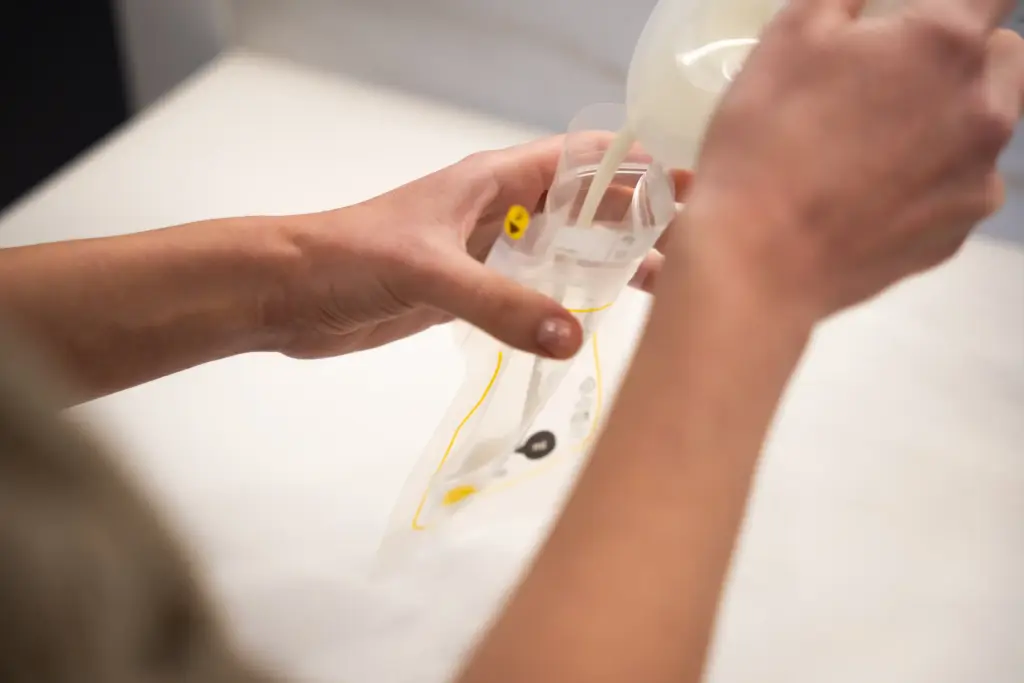
California law explicitly prohibits employers from discharging, discriminating, or retaliating against employees for exercising lactation rights. This means your employer cannot:
- Fire you for taking pumping breaks
- Demote you or reduce your pay
- Give you unwarranted negative performance reviews
- Deny you promotions or opportunities
- Treat you differently than other employees
Additionally, under California’s Fair Employment and Housing Act (FEHA), breastfeeding is considered a protected characteristic under “sex.” Employers with five or more employees cannot discriminate against workers based on breastfeeding or related medical conditions.
If you’re fired or punished for pumping at work, you may have claims for both wrongful termination and workplace retaliation.
What About the “Seriously Disrupt Operations” Exception?
California law includes a narrow exception where employers are not required to provide lactation breaks if doing so would “seriously disrupt” their operations. In practice, this exception is very difficult for employers to prove, because courts interpret it strictly.
Meaning that simply being inconvenient or requiring schedule adjustments is not enough, as the disruption must be serious and unavoidable. Even in most workplaces where an employee’s demand is high, most employers cannot rely on this exception to deny lactation accommodations.
Lactation Rights as Pregnancy Accommodation
Beyond lactation-specific laws, nursing mothers have additional protections under California’s pregnancy accommodation rules. Under Government Code Section 12945, employers must provide reasonable accommodations for conditions related to pregnancy or childbirth—including lactation. This could include:
- Transfer to a less strenuous or hazardous position
- Modified duties
- Additional break time beyond what the lactation law requires
- Other adjustments to help you perform your job while breastfeeding
To request these accommodations, you should put your request in writing and, if needed, provide documentation from your healthcare provider.
Quick Reference: Your Lactation Rights at a Glance
| Right | California Law | Federal PUMP Act |
| Break time | Reasonable time as needed | Reasonable time as needed |
| Private space | Required (not a bathroom) | Required (not a bathroom) |
| Amenities (sink, fridge, electricity) | Required | Not specified |
| Written policy | Required | Not required |
| Duration of protection | No time limit | 1 year after birth |
| Employer size threshold | All employers | All employers (small employer exemption available) |
| Paid breaks | Only if concurrent with regular breaks | Same |
| Retaliation protection | Yes | Yes |
Contact West Coast Employment Lawyers

California’s lactation laws exist to protect nursing mothers—but not all employers follow them. If your employer denied you pumping breaks, forced you to use a bathroom, retaliated against you for requesting accommodations, or fired you for breastfeeding, you may have a legal claim.
At West Coast Employment Lawyers, we’ve recovered over $1.7 billion for workers facing pregnancy discrimination, retaliation, and other workplace violations. Our attorneys understand how California’s lactation laws work and how to hold employers accountable when they break them.
Call (213) 927-3700 or fill out our online contact form for a free, confidential consultation. When you call, you speak directly with a lawyer who can evaluate your situation and explain your options.
Frequently Asked Questions About Lactation Rights
Can My Employer Require a Doctor’s Note for Lactation Breaks?
Employers cannot require medical documentation to approve lactation accommodations, as it will violate state and federal labor laws.
What if There’s No Private Room Available?
Employers can use temporary spaces, including vacant offices, conference rooms, or areas created with partitions as long as the space is private, not a bathroom, and meets other requirements. If a multipurpose room is used, lactation takes priority while you're pumping.
How Many Pumping Breaks Can I Take per Day?
As many as you need. The law requires breaks each time you have a need to express milk. Most nursing mothers need 2–3 pumping sessions during an 8-hour shift.
Can I Be Fired for Taking Too Many Pumping Breaks?
Employers cannot retaliate against you for exercising lactation rights. If you're fired or punished for pumping, you may have a wrongful termination or retaliation claim.