

Internships have long been seen as a rite of passage for students and recent graduates looking to break into competitive fields. But for every intern gaining valuable experience, there is often an uncomfortable question lurking in the background: Should I be getting paid for this?
If you are working an unpaid internship or considering one, you are not alone in wondering whether it is actually legal. The answer under California law is more nuanced than a simple yes or no. Unpaid internships are legal in California, but only under very specific conditions. When those conditions are not met, what companies call an “internship” may actually be illegal unpaid labor.
This guide explains the legal requirements for unpaid internships in California, what rights interns have in the workplace, and how to tell if an employer is crossing the line.
Is It Legal to Have an Unpaid Intern in California?

Under both federal and California law, the legality of an unpaid internship comes down to one central question: Who is the primary beneficiary of the arrangement?
If the internship primarily benefits the intern through training, mentorship, and educational experience, it may legally be unpaid. But if the internship primarily benefits the employer, meaning the intern is doing productive work that the company would otherwise pay someone to do, then the intern is likely entitled to wages under the law.
The U.S. Department of Labor uses a seven-factor “primary beneficiary test” to determine whether an unpaid internship is lawful under the Fair Labor Standards Act (FLSA). California’s Division of Labor Standards Enforcement (DLSE) applies similar principles, and because California labor laws are often stricter than federal law, employers in the state must comply with whichever standard is more protective of workers.
The Seven-Factor Primary Beneficiary Test
Under the DOL’s Fact Sheet #71, courts and enforcement agencies evaluate unpaid internships using the following seven factors:
- Clear understanding of no compensation- Both the intern and the employer clearly understand from the start that the position is unpaid. Any promise of pay — express or implied — suggests the intern is actually an employee.
- Training similar to an educational environment- The internship provides hands-on training comparable to what the intern would receive in a classroom, vocational program, or clinical setting.
- Tied to formal education- The internship is connected to the intern’s academic program, such as through integrated coursework or academic credit.
- Accommodates academic commitments- The internship schedule corresponds to the academic calendar and does not interfere with the intern’s classes or coursework.
- Limited duration. The internship lasts only as long as it provides beneficial learning to the intern — not indefinitely to serve the employer’s ongoing staffing needs.
- Complements rather than displaces paid employees- The intern’s work does not replace the work of paid employees. Instead, it supplements their efforts while providing educational benefits to the intern.
- No entitlement to a job afterward- Both parties understand that the internship does not guarantee paid employment at the end.
No single factor is decisive. Courts weigh all seven together to assess whether the intern or the employer is the primary beneficiary of the relationship. If the employer benefits more, the intern should be classified as an employee and paid at least minimum wage.
What Makes an Unpaid Internship Illegal in California?
An unpaid internship crosses into illegal territory when the employer uses the intern as free labor rather than providing a genuine educational experience. Common warning signs include:
- The intern performs the same work as paid employees without meaningful training or supervision
- The employer relies on interns to fill staffing gaps or meet business demands
- The intern receives little to no mentorship, feedback, or skill development
- The internship drags on indefinitely with no clear educational purpose
- The employer benefits significantly from the intern’s work while the intern gains little
If these conditions describe your internship, you may be entitled to compensation, including back pay for the time you have already worked.
California Minimum Wage Applies If You Are Misclassified

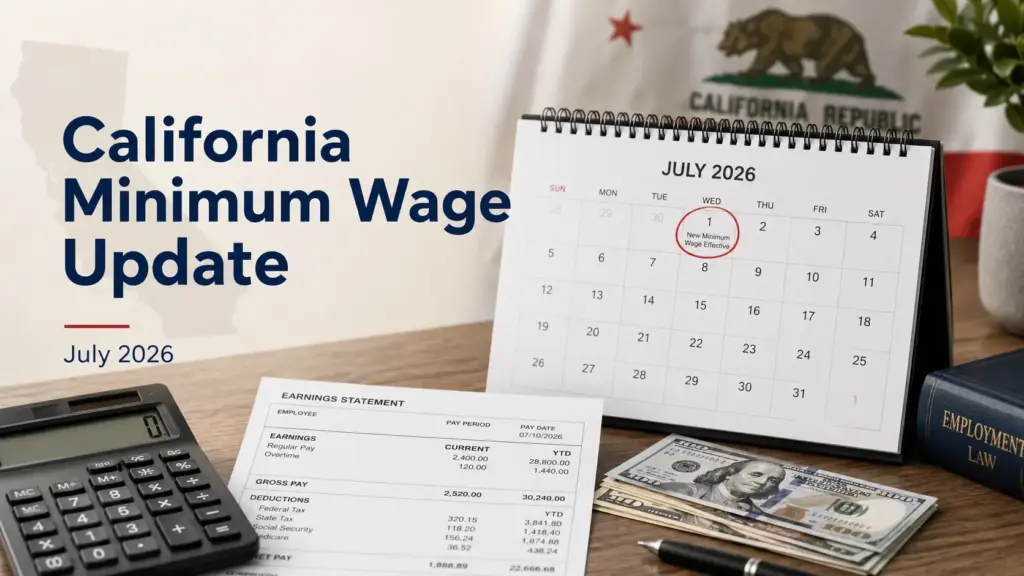
When an intern is misclassified and should legally be considered an employee, California’s minimum wage laws kick in. As of 2026, California’s statewide minimum wage is $16.50 per hour, though many cities and counties have higher local rates. An intern who was wrongly unpaid may be able to recover:
- All unpaid wages owed
- Overtime pay if applicable
- Interest on unpaid wages
- Penalties for wage statement violations
- Attorney’s fees
These remedies can add up quickly, especially for interns who worked long hours over an extended period. If you are wondering how long an employer can go without paying you, the answer is: not long before legal consequences arise.
Do Unpaid Interns Have Workplace Rights?

Unpaid interns do have rights and this is an area where California law provides stronger protections than many other states. Under California Government Code §12940, unpaid interns are explicitly protected from workplace harassment and discrimination.
The California Fair Employment and Housing Act (FEHA) covers unpaid interns, volunteers, and participants in training programs, meaning employers cannot harass or discriminate against interns based on:
- Race, color, or national origin
- Sex, gender, or gender identity
- Sexual orientation
- Age (40 and older)
- Disability or medical condition
- Religion
- Pregnancy
- Marital status
- Military or veteran status
These protections apply regardless of employer size when it comes to harassment. For discrimination claims, FEHA generally applies to employers with five or more employees. For more on these protections, see our overview of workplace bullying and harassment.
If you experience harassment or discrimination during your internship, you have the right to file a complaint with the California Civil Rights Department (CRD) — even if you are not being paid.
Can Employers Retaliate Against Interns?
California law prohibits employers from retaliating against anyone, including unpaid interns, for reporting harassment, discrimination, or other workplace violations. If you are terminated, demoted, or otherwise punished for speaking up about illegal conduct, you may have a retaliation claim.
If you have faced retaliation, our guide on what to do if your boss retaliates against you explains your next steps.
Workplace Safety Protections for Interns
Unpaid interns are also covered by California’s workplace safety laws. Employers must provide a safe working environment for all workers on their premises, including interns. If you are injured on the job, however, the question of workers’ compensation coverage becomes more complicated — unpaid interns may not automatically qualify for workers’ comp benefits unless the employer has voluntarily extended coverage.
For-Profit vs. Nonprofit Internships

The rules differ depending on the type of organization because for-profit employers face the strictest scrutiny. This is due to the fact that unpaid internships at for-profit companies must clearly meet the primary beneficiary test, or the intern is entitled to wages.
Meanwhile nonprofit and government employers have more flexibility. Individuals who volunteer their time for charitable, religious, civic, or humanitarian purposes at nonprofit organizations are generally not considered employees under the FLSA. However, even at nonprofits, if the “volunteer” is performing work that primarily benefits the organization rather than providing genuine educational value, wage laws may still apply.
How to Protect Yourself as an Intern

If you are considering an unpaid internship or currently in one, take steps to protect your rights:
- Get the terms in writing- Before starting, request a written agreement outlining the unpaid nature of the role, your responsibilities, and the educational objectives. This helps establish expectations and can serve as evidence if a dispute arises.
- Track your hours and duties- Keep a personal log of the hours you work and the tasks you perform. If your role starts looking more like a regular job than a training program, this documentation will support any future claim.
- Evaluate the educational value- Ask yourself: Am I learning transferable skills? Am I receiving mentorship? Or am I just doing busywork that benefits the company? If the internship feels more like free labor than professional development, it may not be legal.
- Know when to speak up- If you believe you are being exploited, you have options. You can file a wage claim with the California Labor Commissioner or consult with an employment attorney to evaluate your situation.
What to Do If You Were Misclassified
If you worked as an unpaid intern but believe you should have been paid, you may be able to recover the wages you are owed. California has strong protections for workers, and employers who misclassify interns face significant penalties. This type of misclassification is one of the common violations of California Labor Code.
The statute of limitations for unpaid wage claims in California is generally three years for minimum wage violations and four years if there is a written contract. Acting sooner rather than later preserves your ability to collect evidence and maximizes the wages you can recover.
Speak With a California Employment Attorney

Unpaid internships are legal in California but only when they genuinely benefit the intern more than the employer. If you are doing productive work, displacing paid employees, or receiving little training in return for your labor, your employer may be breaking the law.
California workers, including unpaid interns have rights. You are protected from discrimination, harassment, and retaliation. And if you were misclassified as an unpaid intern when you should have been paid, you may be entitled to recover your lost wages.
West Coast Employment Lawyers has recovered over $1.7 billion for workers across California. Our team includes Harvard Law School graduates and a former federal prosecutor who have taken on some of the largest corporations in the country. When you call, you speak directly with a lawyer, not a receptionist.
If you have questions about your internship or believe your rights were violated, call West Coast Employment Lawyers at (213) 927-3700 or fill out our online contact form for a free, confidential consultation. There is no fee unless we win your case.