


Getting called for jury duty can raise a lot of questions. While it is an important responsibility for California citizens, it can also mean time away from work, raising the uncertainty about income. Many people wonder whether companies are required to pay employees during this time or if they will have to serve jury duty without wages.
While federal law protects your right to attend, it does not always require a business to continue paying you while you are out of office. Knowing how these rules and regulations work can help you prepare for what may be ahead.
How Does Jury Duty Work From Start to Finish?
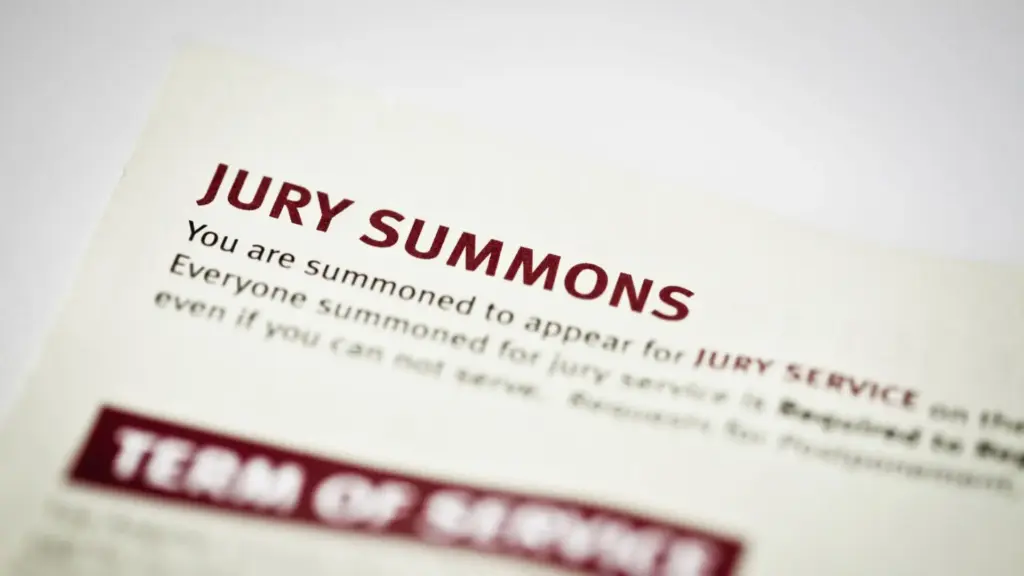
In California, when a person receives jury duty summons, it means that they have been chosen to take part in the legal system. This is not optional, it is a duty required by law unless you are formally excused. After getting a jury summons, the employee will have to report to the courthouse on the assigned date. Not everyone who reports will be picked for a trial, but if called into a courtroom, prospective jurors will undergo jury selection (voir dire), where the judge and attorneys will ask questions to determine if you can remain impartial.
Under California’s “One Day or One Trial Jury Service” policy, if you are not placed into a courtroom for selection on your first day, you may be dismissed on that same day and your service is complete. If you are, however, picked, you will sit through a trial, hear the evidence presented, and evaluate testimony. In criminal cases, jurors will decide if someone is found guilty whereas for civil cases, they will mostly focus on determining liability and whether damages are owed to have a dispute resolved.
During service, jurors must avoid outside influence. If there are any attempts to interfere with your decision-making, it can raise serious concerns, like juror misconduct. Once everything has been completed, your time served will end, you will be released from your duty and will typically be exempt from being called again for at least 12 months.
Can You Get in Trouble for Skipping Jury Duty?

You can get in trouble for skipping jury duty. Under California Code of Civil Procedure § 209, courts have a process they follow if someone decides not to show up. If you miss your first summons, they will often give you another chance. The court will then send a second notice reminding you that jury service is part of your civic duty and request for you to come in. If you ignore that one too, you could get a “failure to appear” notice warning that penalties may be administered.
If there is still no response, the court may issue an “Order to Show Cause,” requiring you to present yourself and explain to a judge why you failed to attend. From that point on, things can get serious because a judge will decide whether to issue fines, or in extreme cases, hold you in contempt of court under the applicable statute, which can possibly lead to jail time.
Fines will increase the more you ignore the notices you receive. For instance, they start at $250 for a first violation, $750 for a second, and can reach up to $1,500 for repeated violations. Even if you do pay the fine, it will not cancel your legal obligation. Doing this does not excuse you from serving your duty at a later date.
Are You Supposed to Use PTO for Jury Duty?
Under California Labor Code § 230, employers are required to provide protected, unpaid time off to employees called for jury duty or acting as a witness. This law strictly prohibits employers from terminating, demoting, or discriminating against you for completing your civic duty. Although California law does not require private employers to compensate for this type of leave, there are some rules covering how you can be compensated if you choose to utilize your employment benefits.
Employees may be able to use vacation time, personal leave, or other paid leave to maintain steady income during jury duty. However, whether those options are available, including sick leave, will come down to your employer’s policy. They do not have to pay you while you are serving, and while they can offer paid leave, they cannot require you to use your vacation time.
Do You Still Get a Paycheck While Serving on a Jury?
Employers are not required to pay employees while they serve jury duty. But, there are companies that will choose to compensate employees for part of their time away as a benefit. Some may provide full wages whereas others will choose to give partial pay or other benefits.
If your employer does not continue your regular salary, the court provides small daily payments (Code of Civil Procedure § 215). In California, jurors are given $15 per day starting after the first day in addition to mileage reimbursement at $0.34 per mile for the one-way distance from your home to the courthouse. However, people who use public transportation will receive a reimbursement of up to $12 per day (starting on the very first day of service).
Even with these payments, the amount is modest and will not cover regular living costs and because of this, many employees called to serve will experience financial hardship, especially if they rely on consistent income flow. Since workplace policies vary, you should reach out to your HR department or employer once you receive your summons to go over your options. Many employers recognize the significance of jury service and will try to provide flexible arrangements.
Are Hourly Workers Treated Differently Than Salaried Employees?
Under U.S. Department of Labor regulations (29 CFR § 541.602), salaried workers must receive a full weekly salary if they complete any work during that week even if time is missed because of jury duty. However, employers are usually allowed to offset that pay by the amount of any jury duty fees given. Still, this extra layer of protection can make the financial impact less immediate when compared to hourly workers who will lose a significant amount of income if their employer does not provide any supplemental income for jury duty.
Ultimately, employer policy will play a significant role as some businesses will offer full or partial paid jury duty leave and others will give no additional compensation in addition to the court’s daily stipend. Due to these reasons, hourly workers are more likely to feel a direct loss of income when they are absent from work to participate in jury duty whereas salaried employees are met with less disruption.
Do All Jurors Get Paid the Same Rate?

Jury duty pay in California follows a standard statewide structure for all Superior Courts, however, your total take-home pay will differ based on your employer. Under CCP § 215, the state will give a fixed rate of $15 per day that will begin on the second day of service.
However, if you work for a public employer and you continue to receive your regular salary and benefits during service, you will be legally ineligible to get the $15 daily fee. On the other hand, if you work in the private sector, you will still hold eligibility for the court’s stipend regardless of whether your employer pays you during jury duty.
What Can You Do if Your Employer Refuses to Pay You?

If your employer refuses to pay you, the first step would be to understand what they are actually supposed to do. In most cases, a business does not have to provide wages while you attend jury duty. In other words, state laws require employers to provide time off, but they do not guarantee compensation, more specifically with hourly employees.
However, you are protected against workplace retaliation, because under Labor Code § 230, an employer is prohibited from firing or demoting you, or acting in a discriminatory way against you for taking time off to serve on a jury, provided a reasonable notice was handed. In addition, Labor Code § 98.6 bans retaliation against employees who are exercising their labor rights.
Can Employers Be Penalized for Interfering With Jury Duty?
Employers can be met with penalties if they try to interfere with an employee’s ability to serve jury duty. State law makes it clear that workers are required to attend court when summoned, and treating that time as an excused absence is not optional.
Employers cannot fire, demote, or discipline someone for fulfilling their civic duty and courts take such matters seriously because jury participation is a notable part of how the legal system operates. Violations may result in claims made against the company, possible financial penalties, and damage to their standing if they are found to have acted improperly.
What if Your Jury Service Lasts Longer Than Expected?

Most jury service in California typically has a short time period, often ending in one day or one trial, but some cases tend to last much longer. This can create financial complications if your employer only gives limited pay or none at all.
If the company stops covering your wages, you will have to rely on court payments or even use vacation time or other paid time to make up the difference. For most employees, extended jury duty can mean continued time away from work without receiving full income, which can heighten financial pressure as a whole.
If the length of the trial leads to extreme burdens, potential jurors may request an excuse based on undue hardship. This will require a letter from the employer confirming that wages will not be provided during the trial period. Judges will then consider this on a case-by-case basis to ensure that the jury selection process stays fair while reducing serious economic damages to individuals.
What Should You Check in Your Employee Handbook Before Serving?
Before serving, you should look into your company’s policy thoroughly. Your handbook or employment agreement should go over how jury duty leave is normally handled. Scan for details on whether the company gives paid leave, how long regular pay will continue, and whether you are expected to use PTO.
You should also check to see whether your absence will affect employee benefits and if you need to give proof of your time served. Knowing these policies in advance can help you prepare and avoid surprises during your jury service.
Get Legal Support From West Coast Employment Lawyers for Jury Duty Workplace Disputes

If you are experiencing issues at work pertaining to jury duty, like being pressured not to go, facing retaliation, or questioning if your employer’s actions are unlawful, West Coast Employment Lawyers is here to help. We provide thorough guidance so you understand your legal options. Our team can take a look at your workplace policies, check for any potential violations, and help you decide the best path moving forward.
To book a FREE consultation, we invite you to get in touch with us by calling (213) 927-3700 or completing our convenient online contact form.