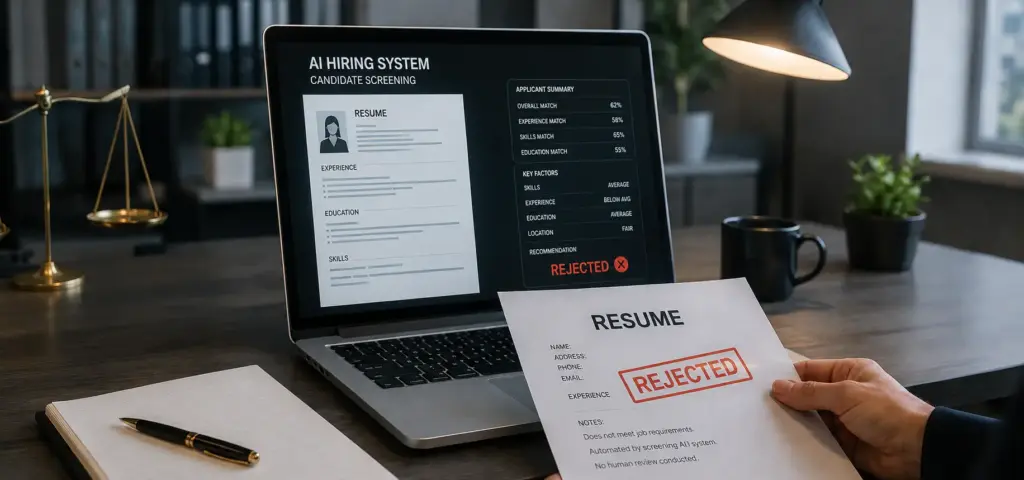
Many employees assume that because they’re at work, they have no privacy rights. However, that’s not entirely true, because while employers generally have broad authority to monitor workplace activity, California law places important limits on audio recordings and protects employees from unlawful surveillance in certain situations. Understanding your rights can help you determine whether your employer, supervisor, coworker, or even a customer violated California law.
What Is Considered a Confidential Conversation?
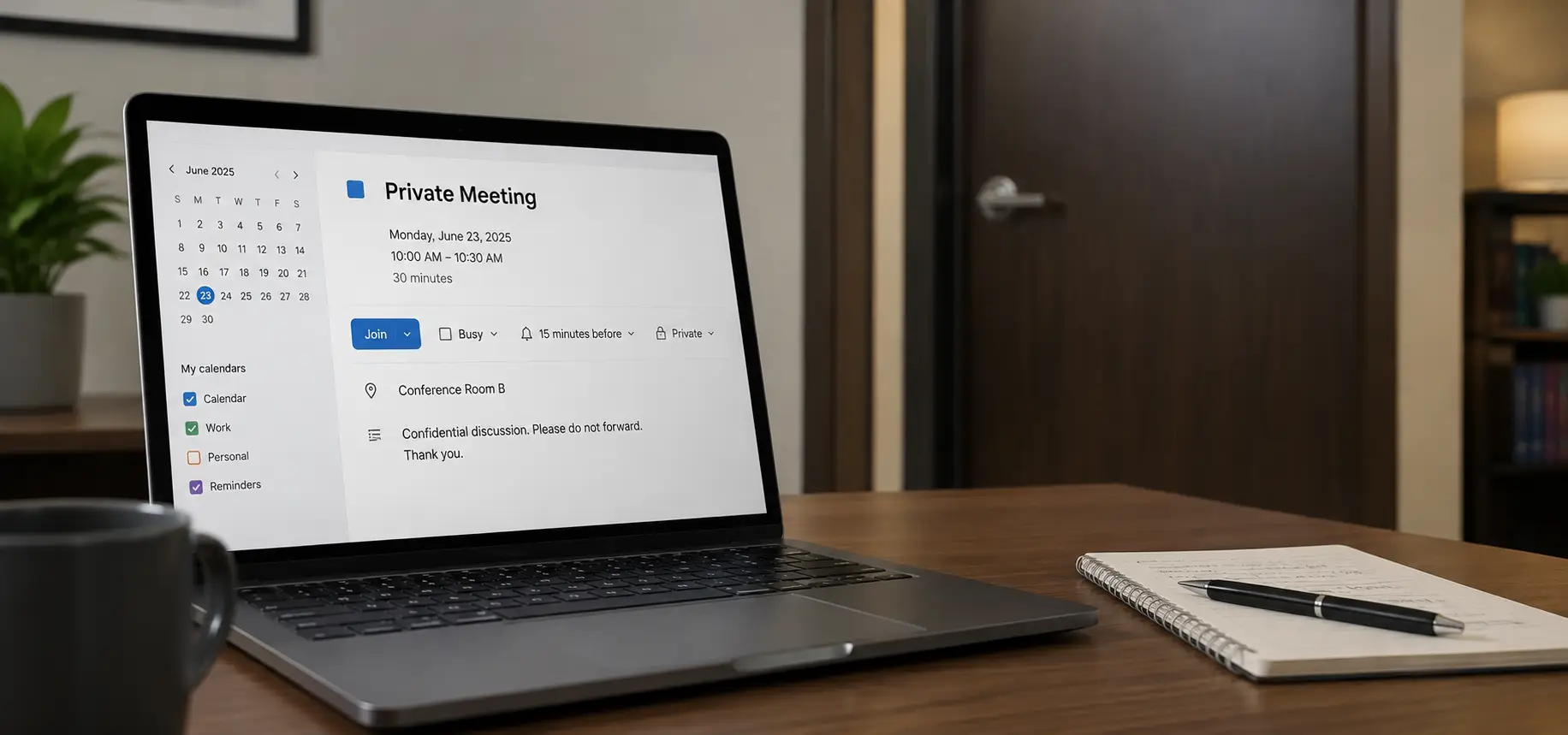
A conversation is generally considered confidential if someone reasonably expects that what they say will remain private. Some of the most common examples of confidential conversations at work include:
- Performance reviews
- Disciplinary meetings
- HR investigations
- Conversations with supervisors behind closed doors
- Discussions regarding pay or accommodations
- Meetings involving harassment complaints
On the other hand, conversations held loudly in common areas where others can easily hear may not qualify as confidential. Whether a conversation is legally confidential depends on the surrounding circumstances rather than simply the location.
California Is a Two-Party Consent State
California is known as an all-party consent state, meaning that everyone participating in a confidential conversation must consent before it can legally be audio recorded. The law governing workplace recordings is outlined under California Penal Code § 632 and it prohibits secretly recording private workplace conversations and violating this law may expose the person making the recording to criminal penalties and civil liability. Unlike many other states that only require one person’s permission, California provides stronger privacy protections.
Can Your Employer Record You at Work?
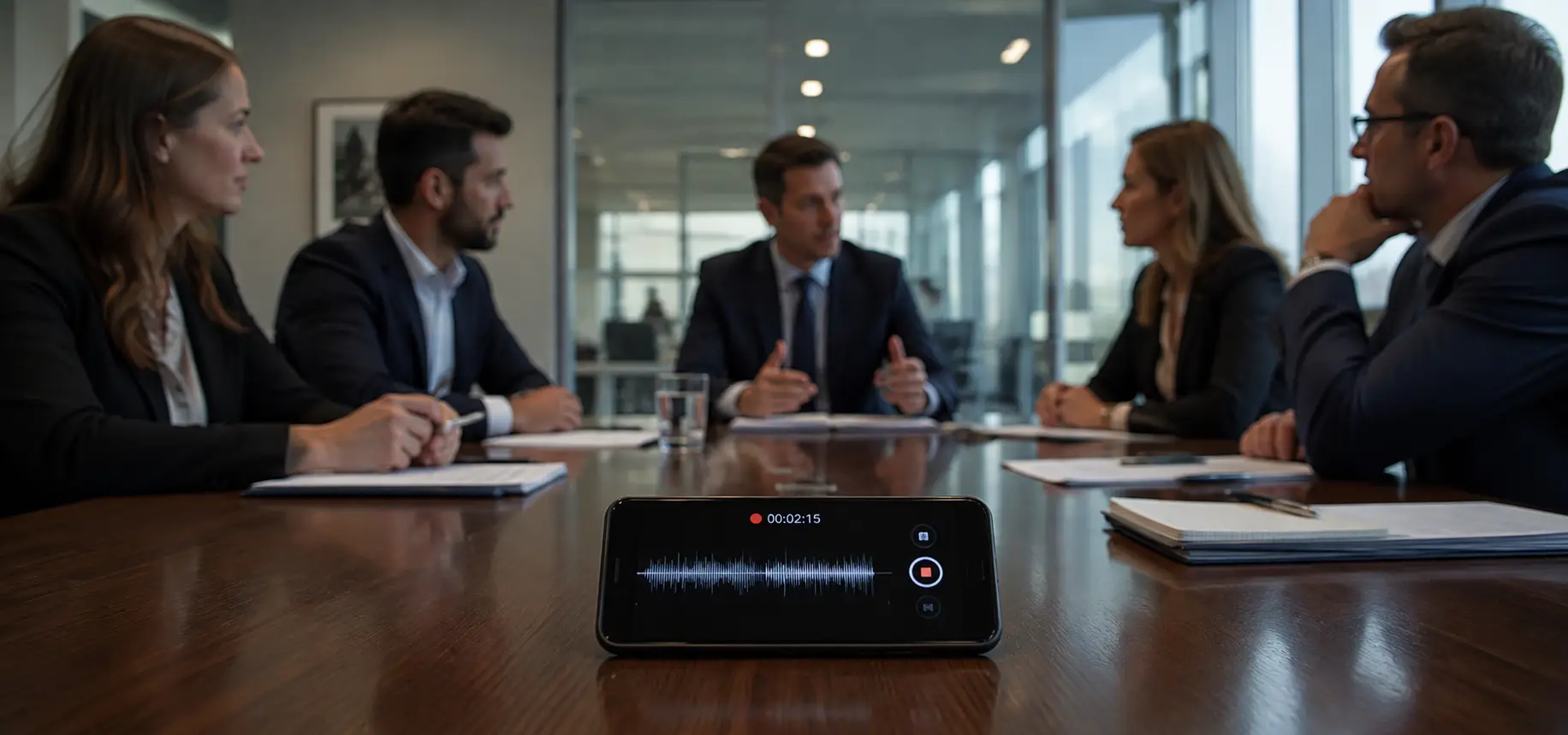
An employer can record their employees at work but only in certain situations. Employers frequently use surveillance cameras for legitimate business purposes such as protecting company property, preventing theft, maintaining workplace safety, and securing restricted areas.
However, California employers cannot ignore employee privacy rights simply because the recording occurs at work. Whether the recording is legal often depends on what is being recorded and whether the intent of the footage is used for legitimate business needs such as monitoring customer service or investigating misconduct.
Can Your Employer Set Up Surveillance Cameras in the Workplace?
In California, employers are allowed to install surveillance cameras in the workplace. However, your employer must have a legitimate reason for doing so. Areas that are prohibited from having surveillance cameras set up are closed stairwells, locker rooms, and restrooms as these are considered private spaces for employees to use.
If the surveillance cameras are hidden, your employer should advise everyone about where each one is placed. Typically, hidden surveillance cameras will cause the court to place a higher burden of proof against the employer, meaning that they will need to provide a valid reason for installing the device in a secretive area. As such, employers are usually permitted to install video cameras in areas where employees do not have a reasonable expectation of privacy.
What If a Recording Captures Workplace Harassment or Discrimination?
Many employees ask this question after experiencing discrimination, harassment, or retaliation and while it is understandable to use audio recordings and video footage to prove misconduct against your boss, it can be potentially unlawful if it was a secretly recorded conversation.
Although employees often want evidence of unlawful treatment, illegally obtaining that evidence may create additional legal complications. Even if a recording exists and it explicitly proves unlawful misconduct, courts may examine how it was obtained, whether any California recording laws were violated, and if any legal exceptions are applicable. If you believe your employer is violating your rights, speaking with an employment attorney before recording workplace conversations is often the safest approach.
Can a Customer Record You at Work in California?

An increasing problem in customer service centric industries like retail and food service, agitated customers who are video recording workers on their cell phones can become problematic and its legality often borders on specific details.
- Public/Open areas- If the person recording you is in a public area like a store front, hotel lobby, or an area where anyone can see and hear you, the law states that you do not have an expectation of privacy.
- Private areas- On the other hand, if the person is recording you in a private area, state law dictates that two-party consent is required and a customer can’t record or secretly record conversations, especially if it is not meant for public ears.
What Should You Do If You are Being Recorded?
If you are being recorded by an agitated individual, it is vital to stay calm and explicitly state that you do not consent to being recorded. By doing so, you are establishing a violation within the state’s two party consent laws, and if it does not end, it is highly recommended to walk away and try to remove yourself from the situation.
It is also recommended to not touch their phone or try to stop the recording through force as it will inevitably lead to a physical altercation and depending on the nature of the incident, a personal injury claim may be filed for damages.
Signs Your Privacy Rights May Have Been Violated
If you believe your employer has unlawfully recorded you at work, it is highly recommended to speak with a skilled labor attorney to learn about your legal rights. However, it is also recommended to gather crucial evidence such as any of the following:
- Hidden audio recording devices
- Secret recordings during HR meetings
- Audio surveillance without consent
- Cameras installed in private areas
- Retaliation after objecting to unlawful surveillance
- Discipline based on illegally obtained recordings
An attorney can evaluate whether your employer’s actions violated California privacy or employment laws.
How to Prepare a Complaint Against Your Employer
As you are preparing to file a complaint against your employer for privacy invasion, you should make sure to jot down the date and time of when you initially discovered their unlawful practices. Continue to document any other important information you come across as you are preparing to file a lawsuit against them for violating California Penal Code Section 632 and/or California Penal Code Section 435(a).
Contact a California Employment Lawyer if You Believe Your Privacy Rights Were Violated

California employees have important privacy protections, even while at work. Although employers may monitor certain workplace activities and use video surveillance for legitimate business purposes, they generally cannot ignore California’s strict rules governing confidential audio recordings.
If you believe your employer, supervisor, or coworker secretly recorded you, installed unlawful surveillance, or retaliated against you after raising concerns about workplace privacy, an attorney from West Coast Employment Lawyers can review your situation, explain your legal rights, and help determine whether your employer violated state or federal law.
Book a FREE consultation today by calling (213) 927-3700 or completing our easy online contact form.