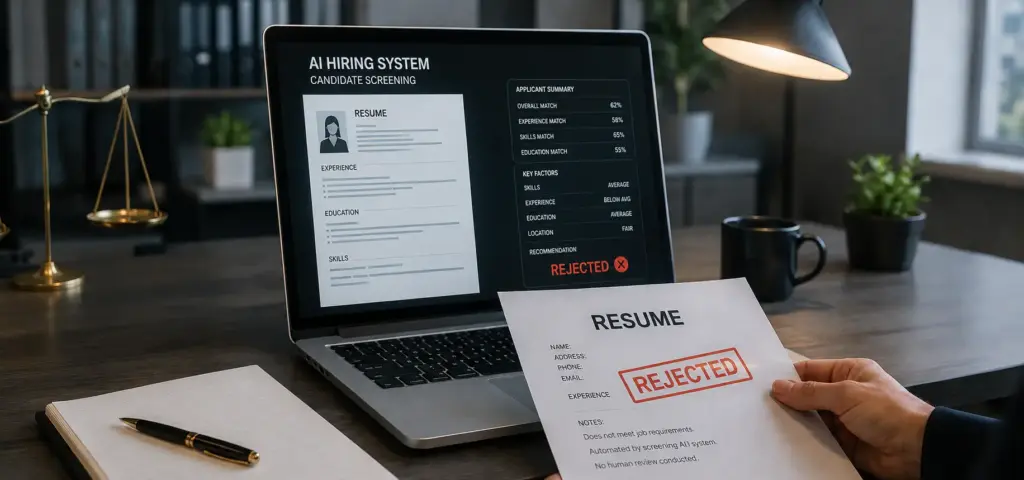
When an employer ends a job, they almost always choose their words carefully and use phrases like “Laid off” or that “positions have been eliminated” to make them sound less personal. While company layoffs are a common occurrence in every sector, the chances of getting wrongfully terminated under the guise of a layoff is never zero and it can affect your paycheck, your unemployment benefits, and whether you have a legal claim.
As such, it is important for workers to know the difference between a layoff and a termination, so they can understand their legal rights and know what steps to take if they rights have been violated.
Quick Answer: The Difference Between Being Fired vs Laid Off
A layoff is a job loss driven by the employer’s circumstances such downsizing, restructuring, or if a company goes through mergers. As such, layoffs are a “no fault” separation, meaning you did nothing wrong, but the business simply no longer has (or wants) your position.
Meanwhile, being fired means you were let go for reasons connected to you, such as poor performance, policy violations, or misconduct. There is also being terminated without cause where an employer ends the job for no stated reason at all, because California is an at-will employment state, meaning an employer can terminate their employees for any reason as long as it is not an illegal one.
How Being Let Go Affects Your Final Pay

In California, the timing of your final paycheck is the same whether you were fired or laid off, because both are involuntary separations, so the law treats them identically. When you are fired or laid off, your employer must pay you all final wages, including accrued and unused vacation, immediately on your last day.
If your employer pays you late or does not pay you, California Labor Code section 203 imposes a waiting time penalty where one full day of wages is added to the final check for every day the final check is late and this can be billed up to a maximum of 30 days. That penalty applies regardless of whether you were fired or laid off.
What About Severance?
Severance is a different story and is a common point of confusion, because California law does not require severance for either a layoff or a firing. Severance only comes from an employment contract, company policy, or an offer the employer chooses to make (often in exchange for you signing a release of claims).
How Being Let Go Affects Unemployment Benefits

This is where the layoff-versus-fired distinction has its biggest real-world impact, though maybe not in the way you would expect. California’s Employment Development Department (EDD) pays unemployment benefits to people who lose their jobs through no fault of their own. Here is how the two situations play out:
- A layoff almost always qualifies- Because it is a no-fault separation by definition, laid-off workers are generally eligible for unemployment
- Being fired usually qualifies too- However with one major exception, you can’t collect unemployment unless your employer proves you were terminated for misconduct, and the burden is on the employer to prove it.
So contrary to common belief, being fired does not automatically disqualify you from unemployment even if it means you had ordinary poor performance or was “not being a good fit” within the company.
The Legal Protections That Apply
Whether you were laid off or fired, several California and federal protections may come into play if you were wrongfully terminated. Even in an at-will state, an employer cannot fire you for an illegal reason and layoff can be unlawful if the real motivation was:
- Discrimination based on a protected characteristic (race, sex, age 40+, disability, religion, national origin, sexual orientation, pregnancy, and more)
- Retaliation for protected activity, like reporting harassment, filing a wage claim, whistleblowing, or taking protected leave
- Violation of a contract or public policy
Our overview on whether you can sue your employer for firing you covers when a termination crosses the legal line, and if you suspect your job loss followed protected activity, our guide on what to do if your boss retaliates against you walks through the warning signs.
When a “Layoff” Is Really a Wrongful Termination

This is the most important thing to understand, and the reason the label deserves scrutiny. Employers sometimes use “layoff” as cover for an unlawful firing, because a layoff sounds neutral and economic while a discriminatory or retaliatory firing is illegal. Calling it a layoff does not make it legal if the real reason was unlawful.
A few questions help reveal whether a “layoff” might actually be a disguised wrongful termination:
- Was it companywide or targeted? A genuine layoff usually affects a department, a site, or a class of roles. If you were the only person let go, or one of a suspiciously specific few, that is a red flag
- Who else was affected? If the people cut skew heavily toward one protected group (older workers, employees over 40, women returning from leave, workers of a particular background), the “layoff” may have a discriminatory pattern
- What happened right before? If your “layoff” came shortly after you reported harassment, filed a complaint, requested an accommodation, or took protected leave, the timing can suggest retaliation
- Was your role actually eliminated? If the company quietly backfilled your position a month later, the “elimination” was not real
If any of these fit your situation, the neutral-sounding layoff may be something the law treats very differently.
What to Do After a Layoff or Termination
Whichever happened to you, these steps protect your finances and your options:
- Confirm your final pay is complete and on time- Check that it includes accrued vacation, and note the date you received it in case of a § 203 penalty
- File for unemployment promptly- Do not assume you are ineligible, even if you were fired. Apply and let the EDD make the determination
- Save everything- Your separation notice, any stated reason, emails about the decision, your personnel file, performance reviews, and the names of others affected
- Do not rush to sign a severance agreement- Signing usually waives your right to sue. If anything about the separation feels off, have it reviewed first
- Note the timeline- Write down what happened in the weeks before your separation, especially any complaints, requests, or protected activity, while it is fresh
- Watch the deadlines- Different claims have different filing windows, and acting promptly preserves your options
Talking to West Coast Employment Lawyers About Your Situation

Losing a job is hard enough without having to wonder whether the label your employer used was accurate, or whether something unlawful was hiding behind a tidy word like “layoff.” Most separations are exactly what they appear to be, but when they are not the difference can be worth a great deal especially in the eyes of the law.
If your job loss left you with unanswered questions, whether about your final pay, your unemployment, or whether your “layoff” was truly neutral, it is worth a closer look. At West Coast Employment Lawyers, our firm offers a free, confidential consultation to review what happened, explain your rights, and tell you honestly whether your situation supports a claim. There is no pressure and no obligation, and we work on contingency, no fees unless we recover for you.
Call us at (213) 927-3700 or reach out through our online contact form for a free, confidential consultation