

Waiting on your last paycheck can create financial stress, especially when an employer delays payment until the next payday or tries to deduct money from wages you already earned. Fortunately, California law provides strong protections when it comes to final pay and this includes strict deadlines and limits on what employers can legally withhold from a paycheck. Knowing these rules will help you determine whether any violations were made with final paycheck laws and what steps you should take next if so.
When Must Final Wages Be Paid in California?
Under California Labor Code §§ 201–203, an employer must pay all wages owed to an employee who is departing based on the circumstances of separation, not on the next regularly scheduled payroll cycle. No matter what the circumstances are there is no grace period, administrative delay, nor exception for weekends or holidays, the departed employee must receive their final pay.
California state laws governing final wages are much stricter in comparison to federal law under the Fair Labor Standards Act (FLSA), which allows employers to wait until the next scheduled payday. Any failure to pay final wages may trigger financial consequences for the employer, regardless of company policy or a signed written agreement.
Were You Fired or Laid Off?
If your employer terminated your employment, whether it was because of performance, a mass layoff, or for any other reason, California labor law is clear-cut: all wages owed must be paid at the time and place of termination. This includes all:
- Hours worked through the moment of termination
- Accrued overtime pay
- Unused vacation time
Any other earned wages should also be considered and any time spent waiting until the next scheduled payday or the end of the last pay period will be a violation of California Labor Code § 201. This rule applies to every employee regardless of pay rate, job title, or the duration of service. For example, if a person is laid off on a Wednesday afternoon, they will have to get their final paycheck before they leave the building on that same day.
Additionally, employers do not get extra time just because payroll is handled off-site or by a third-party provider. If the employer is unsure of the exact amount of hours worked at the time of separation, they will have to make a good-faith calculation and issue payment right away, adjusting any discrepancy afterward. Using uncertainty as an excuse to delay final pay is not a valid reason for defense.
Did You Quit With Notice or Without?
State laws establish an important distinction between employees who quit with advance notice and those who leave without giving any warning before doing so, and the deadline for final pay will adjust accordingly. If you were given at least 72 hours of notice before your last day, the employer must pay you all wages owed on your final day of work.
However, if you quit without giving your employer an advance notice, California Labor Code § 202 will give the employer up to 72 hours from the time of resignation to give you your final pay. Specific circumstances may alter these rules, like if the termination occurred in the agriculture or entertainment industry because the Industrial Welfare Commission Wage Orders enforce different standards.
What Should Be in Your Final Paycheck?

Your final paycheck must include all wages owed through your last day of employment. Under state law, earned wages will usually include compensation for all hours worked during the last pay period at the proper rate of pay, including any applicable minimum wage requirements.
Employers must also include any owed overtime compensation in addition to payout for unused vacation time since accrued vacation is treated as earned wages under California law. Whether sick pay must be compensated depends on the company policy or any written agreement that was made.
Unlike unused vacation time, accrued sick pay is not usually treated as wages owed under California law unless the employer agrees to provide payment when employment ends. Certain fringe benefits, like stock options or retirement contributions, can also be payable if the governing agreement or plan documents legally require it.
Furthermore, commissions and piece-rate compensation that were earned during the last pay period must be implemented in the employee’s final wages even if the employer’s internal payroll process has not yet been completed.
What Happens If Your Employer Misses the Deadline?
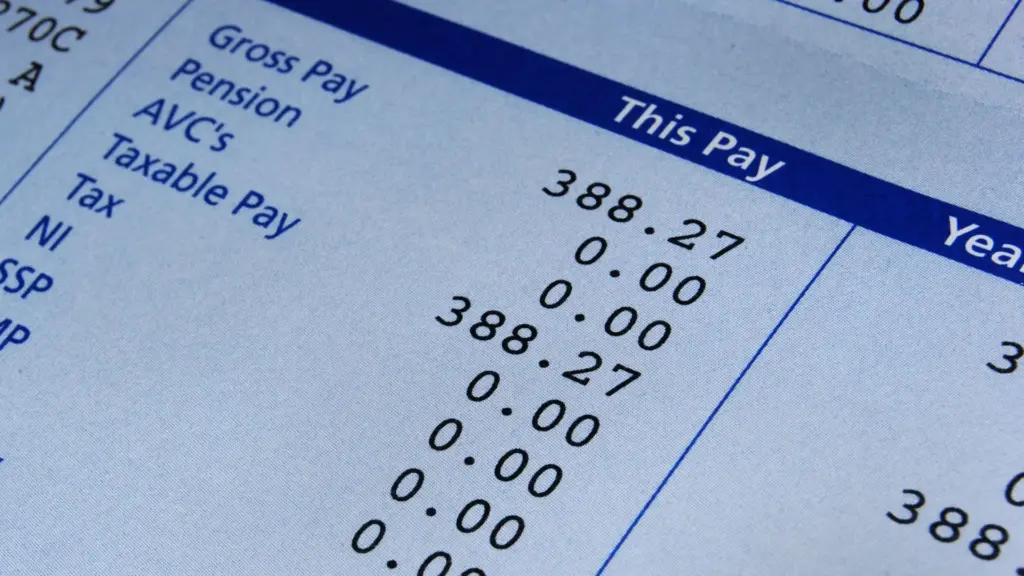
Under Labor Code § 203, if an employer willfully fails to pay all wages owed after an employee quits or is fired, they will have to pay waiting time penalties on top of whatever unpaid wages remain outstanding. These penalties accumulate at the employee’s daily rate for each calendar day the final paycheck remains unpaid, up to a maximum of 30 days.
If the employer knew the wages owed existed and did not pay on time, that is usually enough to establish willfulness even without any bad intent. A good-faith dispute about the exact amount of hours worked or the correct pay rate may lessen or eliminate penalties in certain cases, but only if the employer genuinely disputes the amount and pays whatever is undisputed right away.
Along with the waiting time penalties, employers may owe interest on unpaid wages at a rate of 10%, which is higher than the rates that are available under federal law. These additional penalties and interest are meant to prevent employers from treating late payments as an acceptable business practice.
How Fast Do Waiting Time Penalties Add Up?
Waiting time penalties will accrue at the employee’s daily pay rate for each calendar day the final pay remains outstanding and this includes weekends and holidays.
For instance, if the situation involves an employee who earns $25 per hour working an 8-hour day, the daily rate would be $200. If the employer does not compensate for all 30 days, the total waiting time penalties will reach $6,000. This is entirely separate from and on top of whatever unpaid wages were initially owed.
How Are Penalties Calculated for Commission and Piece-Rate Workers?
For employees that are paid on commission or piece-rate, the daily pay rate for calculating penalties will be based on the employee’s average daily earnings during the last pay period. The 30-day cap means penalties will stop accruing after that point. But the employer will still owe all 30 days of accrued penalties in addition to the original unpaid wages and any applicable interest.
Can a Company Withhold Your Final Paycheck?

Employers are not allowed to legally withhold a final paycheck as leverage against a departing employee. This includes:
- Trying to force the return of company property
- Requiring participation in an exit interview
- Pressuring the employee to sign a severance or non-disclosure agreement
- Retaliating against the worker for any reason
Even if a written agreement or company policy states that the final payment will be withheld under certain conditions, it is completely unenforceable under California law. Additionally, California Labor Code § 221 outlines how an employer cannot take back money that is already paid, and § 224 limits pay deductions, meaning they can only deduct wages from your paycheck under the following three circumstances:
- The government requires it (for income taxes, child support, or other court orders)
- You personally agreed to it in writing (having health insurance premiums taken out)
- Your union contract allows it
What If There’s a Dispute Over Equipment, Uniforms, or Property?
Property disputes are one of the most common reasons employers try to withhold wages or make unauthorized deductions from a final paycheck. However, the clear answer is that these do not excuse an employer from paying all wages owed on time.
California law also enforces strict limits on paycheck deductions, and employers usually cannot reduce an employee’s pay below minimum wage or lessen money for damaged or missing property. If an employer thinks that money should be owed for company property, the issue would have to be pursued on its own through a civil claim rather than by withholding final pay.
What Protections Does California Law Give You?
California provides workers with several protections other than just simply requiring employers to give out final paychecks in a timely manner. Under California Labor Code § 98.6, employers are not allowed to retaliate against employees for asserting their rights, filing a wage claim, or seeking unpaid wages.
State law also prevents employers from forcing workers to give up certain wage protections. Rights that involve minimum wage, overtime pay, and similar protections cannot be waived through a contract or written agreement. Additionally, California’s Private Attorneys General Act (PAGA) permits employees to pursue representative claims for Labor Code violations that affect several workers, such as allegations that involve unpaid wages, unlawful deductions, and failure to provide final pay on time.
Based on the factors presented, employees may be able to recover:
- Penalties
- Interests
- Unpaid compensation
- Attorney’s fees
California Labor Code § 1194 lets workers recover attorney’s fees and costs in certain minimum wage and overtime pay cases. This can make it easier for workers to pursue valid claims even when the unpaid amount is relatively small.
What Should You Do If You’re Still Waiting on Your Final Paycheck?
Taking action early on can make a notable difference when final wages are unpaid. Waiting time penalties are capped at 30 days, and employees will only have a limited amount of time to pursue them under California law. If your employer does not give you your final paycheck on time, you should consider doing the following:
- Keep records of everything: Save documents that indicate your pay rate, hours worked, and final day of employment. Evidence you can incorporate include pay stubs, timesheets, company policies, employment agreements, text messages, emails, and any discussions about final pay or payroll-related issues.
- Manage communications with your employer: Write down the dates you reached out to the company, who you spoke with, and what was said about your delayed paycheck.
- Make a written payment request: Sending an email or certified letter asking for your unpaid wages can help create a clear record of the dispute. Be sure to mention the amount you believe is owed and explain that you may file a wage claim if payment is not provided promptly.
- Speak with an employment attorney: Legal guidance can be beneficial if the unpaid amount is significant, retaliation is involved, or other employees are affected by the same practices.
Since unpaid wage claims and related waiting time penalties generally carry a three-year statute of limitations, employees should avoid delaying once final pay violations become apparent.
West Coast Employment Lawyers Helps Employees Recover Withheld Final Paychecks

If your employer withheld your final paycheck, delayed payment, or did not include all wages owed, legal action may be needed to protect your rights. At West Coast Employment Lawyers, we can help employees pursue unpaid final wages, waiting time penalties, and claims involving unauthorized deductions. Our team can evaluate your case, discuss the options you have available, and work diligently to hold employers accountable.
To set up a FREE consultation, you can reach out to us by calling (213) 927-3700 or completing our easy online contact form.