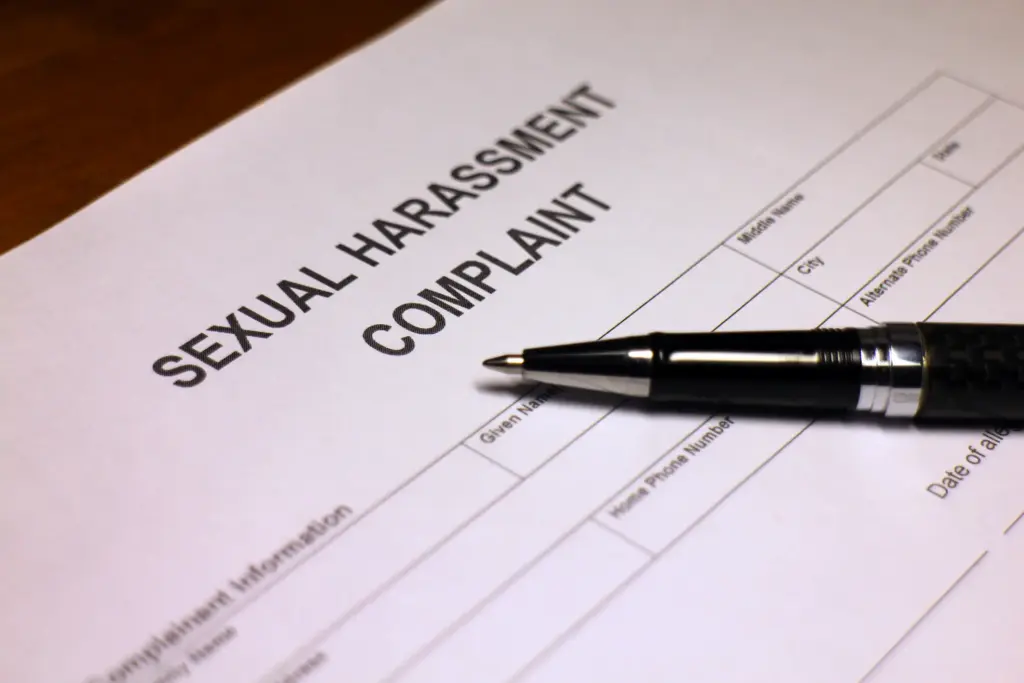


You know something is wrong. Maybe it has been building for weeks, maybe it was a single incident you cannot stop replaying. Either way, you have reached the point where you know you cannot just absorb it anymore. Who do you tell? What if HR sides with them? What if you lose your job? What if you confront the person and make it worse? What if you do it wrong and ruin your own case? The fear of taking the wrong step keeps a lot of people frozen, doing nothing, while the harassment continues.
Responding to sexual harassment has a clear structure, both in how you protect yourself day to day and in how you escalate through California’s formal legal channels. You do not have to figure it out alone, and you do not have to do every step at once. Below is the full plan, in order, with the decisions the standard advice skips, the deadlines that matter, and the protections that exist to keep you safe along the way.
A grounding point before the steps: under California’s Fair Employment and Housing Act (FEHA), you have the right to a workplace free of sexual harassment, the right to report it without being punished, and the right to hold both the harasser and the employer accountable. The law is on your side. These steps are about using it well.
Step 1: Get to Safety First If You Need To

If the harassment involved a physical assault or you are in immediate danger, your safety comes before everything else. Remove yourself from the situation, call 911 if appropriate, and seek medical care if you were harmed.
As sexual assault is categorized as a crime, if you are assaulted by someone at work, it is no longer just a workplace violation, and you have the right to involve law enforcement.
Step 2: Recognize and Name What Is Happening

Before you can respond effectively, it helps to be clear that what you are experiencing actually qualifies because often times it can border between bullying and harassment. Under FEHA, sexual harassment generally falls into two categories:
- Quid pro quo harassment, where someone with authority ties a job benefit or threat to your response to sexual conduct (a promotion in exchange for a date, a threat to your hours after you reject an advance)
- Hostile work environment, where unwelcome conduct based on sex or another protected trait is severe or pervasive enough to make the workplace intimidating, hostile, or abusive
To some people’s surprise, California protections are broader than federal law. Harassment rules apply to employers of all sizes, not just those with 15 or more employees like federal law requires. The conduct does not have to be physical, it does not have to be aimed only at you, and even a single serious incident can qualify.
Step 3: Document Everything in Detail

This is the single most important thing you can do, and the earlier you start, the stronger your position. Memory is least reliable exactly when you are most stressed, so create a contemporaneous record while everything is fresh.
For each incident, write down:
- The date, time, and location
- Exactly what was said or done, in specific terms
- Who else was present or within earshot
- How you responded
- How it affected your work, your health, or your ability to do your job
Keep this record on a personal device, never a work computer or work email account, because access to work systems can be cut off the moment you report or are terminated. Start a running log, because if there is more than one incident, the pattern itself becomes powerful evidence.
Step 4: Decide Whether to Address the Harasser Directly

This is the question almost every guide avoids, and it is the one people most want answered. Should you confront the person directly? There is no universal answer, but here is the honest framework:
- If you feel safe doing so, a clear, direct statement that the behavior is unwelcome and needs to stop is sometimes effective, especially for lower-level conduct from a peer. If you do this, follow it up in writing (“As I said earlier today, I need the comments about my appearance to stop”) so there is a timestamped record
- If the harasser has power over your job, if you feel unsafe, or if the conduct is severe, you are under no obligation to confront them, and doing so can sometimes escalate the situation. There is no legal requirement that you warn the harasser before reporting
- Never confront in a way that can be turned against you. Stay factual and calm. Do not threaten, and do not let it become a shouting match that hands the employer a reason to discipline you too
The key principle: confronting the harasser is optional, not required. Protecting yourself is the priority.
Step 5: Talk to Coworkers Carefully, If Others Are Affected

If you suspect the same person has harassed others, you are often not alone, and coworkers who experienced or witnessed the conduct can become important witnesses. But this step requires care:
- Approach privately and without pressure- Share your own experience and ask whether they have noticed or experienced anything, rather than coaching them on what to say
- Do not build a “campaign”- Organizing a group pile-on can be reframed by the employer as a coordinated attack rather than genuine reports. Keep it honest and individual
- Note who corroborates what, but let each person decide for themselves whether to come forward
A pattern of multiple independent accounts is one of the strongest things a harassment case can have, but it has to be genuine, not manufactured.
Step 6: Report Internally Through the Right Channel

In most cases, the next formal step is reporting internally, which gives your employer the chance to fix the problem and creates a documented record that they knew. Review your employer’s harassment policy and follow the reporting procedure it lays out.
A few important points:
- Report in writing whenever possible- If you report verbally, follow up with an email summarizing the conversation so there is a timestamped record. If sending email, request a read receipt
- Report to the right person- If your harasser is your direct supervisor, the policy should give you an alternate channel (HR, an ethics hotline, a higher manager). Use it
- Be factual, specific, and unemotional in the written report- Stick to what happened, when, and who witnessed it, even though the situation is anything but unemotional
- Keep a copy of everything you submit and every response you receive
One thing many people do not realize: in California, you are not required to report internally first. You can file directly with the state. But internal reporting is often a useful step, both practically and legally, because it puts the employer on notice and starts building your record.
Step 7: Understand What the Investigation Should Look Like

Once you report, your employer has a legal duty under FEHA to investigate promptly, thoroughly, and fairly. A proper investigation involves a neutral investigator, interviews with you, the accused, and witnesses, review of the evidence, and a documented outcome.
During this process, watch for warning signs that the investigation is not being handled in good faith: long delays, an investigator who is friends with or reports to the harasser, your evidence being ignored, or pressure to drop the complaint. These failures can become legally significant later, especially if the harassment continues or you face consequences for reporting.
Step 8: Know Your Protection Against Retaliation

This is the fear that stops most people, so it is worth being direct about it. Retaliation for reporting sexual harassment in good faith is illegal under both FEHA and federal law. Your employer cannot fire you, demote you, cut your hours, reassign you to a worse role, or otherwise punish you for making a complaint.
Retaliation does not always look dramatic. It can be a sudden negative performance review, exclusion from meetings, a schedule change, or a manager who suddenly “forgets” past commitments. If any of that starts after you report, document it the same way you documented the harassment, because retaliation is often the strongest part of a case and a separate violation in its own right.
Step 9: Protect Your Job and Your Footing

While this plays out, it is important to remember to protect your practical position:
- Keep doing good work and keep records of it, so the employer cannot manufacture a performance excuse
- Do not quit impulsively as resigning can forfeit legal protections and remedies, so if the situation becomes genuinely intolerable, that may itself qualify as “constructive discharge,” which California treats as a wrongful termination, but talk to a lawyer before you walk out.
- Tend to your wellbeing, because harassment takes a real toll. Lean on people you trust outside of work, and consider professional support. Taking care of yourself is not a distraction from the case, it is part of getting through it
Step 10: Escalate to a Formal Government Complaint

If internal reporting does not resolve the problem, if your employer fails to act, or if you face retaliation, the next step is a formal complaint with a government agency. In California you have two main options, and they coordinate with each other.
The California Civil Rights Department (CRD) is a state agency that enforces FEHA, and for California workers it is usually the stronger route because the protections and deadlines are more favorable. For instance, workers have three years to file a complaint and it can be done through the California Civil Rights System, by phone, or by mail.
Meanwhile the Equal Employment Opportunity Commission (EEOC) is a federal agency that gives sexual harassment victims 300 days tp file a claim. When you file with one agency, your complaint is typically cross-filed with the other automatically, so you do not lose either set of rights
Step 11: Get Your Right-to-Sue Notice and Watch the Next Deadline

Before you can file a lawsuit, California requires administrative exhaustion, meaning you must go through the agency first and obtain a right-to-sue notice. There are two ways this happens:
- Let the agency investigate first- The CRD reviews your complaint and may investigate or attempt mediation before issuing the notice
- Request an immediate right-to-sue- This skips the agency investigation and lets you proceed straight to court. This route is generally only advisable if you already have an attorney, because you are giving up the agency’s investigative help
Once you receive your right-to-sue notice from the CRD, you have one year from that date to file your lawsuit in California court. Missing that deadline can end your case, so the timing matters.
Step 12: Talk to an Employment Attorney

You can technically navigate this process alone, but harassment cases are difficult to handle without help, and the choices you make early (whether to request an immediate right-to-sue, how to frame your complaint, when to involve the agencies, whether to accept a severance offer) shape everything that follows. An sexual harassment attorney can:
- Evaluate whether you have quid pro quo, hostile work environment, retaliation, or multiple claims
- Make sure you do not miss a filing deadline
- Handle the agency filings and the strategic decisions correctly
- Deal with the employer and their lawyers so you do not have to
- Value your claim accurately, including damages most people do not realize they can recover
Talking to West Coast Employment Lawyers About Your Situation

The hardest part is almost always the first move, because acting makes it real, and the fear of retaliation, disbelief, or simply doing it wrong is heavy. But you do not have to map out the whole path today, and you do not have to take a single step alone. Even just understanding your options can lift some of the weight.
West Coast Employment Lawyers offers a free, confidential consultation to walk through what has happened, help you decide which steps make sense for your situation, make sure you protect your rights and deadlines, and handle the parts of the process that feel overwhelming. There is no pressure and no obligation.
Call us at (213) 927-3700 or reach out online through out online contact form for a free, confidential consultation.