

“Am I overreacting?” If you have found yourself asking that question about something happening at work, that instinct is worth paying attention to. Sexual harassment does not always announce itself. Sometimes it is obvious, a blatant proposition or an unwanted touch. But often it builds quietly, through comments and behaviors that each seem small enough to brush off, until you realize you dread certain interactions, avoid certain people, or feel uneasy in your own workplace.
The hardest part for most people is the gray area. The behavior that makes you uncomfortable but that you are not sure “counts.” Here is something important to understand up front: under California’s Fair Employment and Housing Act (FEHA), harassment does not have to be extreme to be illegal. Conduct that is severe or pervasive enough to create an intimidating, hostile, or offensive environment can be unlawful, and a pattern of “small” things absolutely counts.
Below are ten signs of sexual harassment, ranging from the overt to the subtle, that you should not ignore.
The Overt Signs
These are the behaviors most people recognize as harassment. They are serious on their own, and even a single incident can be enough to support a claim.
1. Unwanted Physical Contact

Any touching that is unwelcome and sexual in nature is a clear red flag. This includes obvious conduct like groping, pinching, or kissing, but also “accidental” brushes that keep happening, lingering hugs, shoulder rubs, or a hand on your lower back. If someone repeatedly touches you after you have made it clear you do not want them to, that is a sign you should not dismiss.
2. Explicit Sexual Propositions or Requests

Direct requests for sexual favors, dates after you have said no, or propositions of any kind are overt harassment. This becomes especially serious when it comes from someone with power over your job, which can turn it into quid pro quo harassment.
3. Sexual Comments About Your Body or Appearance

Remarks about your body, your clothing, your attractiveness, or your sex life cross the line when they are unwelcome and persistent. There is a difference between a one-time “nice haircut” and a coworker who comments on your body regularly enough that you change what you wear to work.
4. Displaying or Sending Explicit Material

Sharing pornographic images, sexual memes, explicit jokes, or suggestive content, whether on a screen, in print, by text, or in a group chat, is a form of visual sexual harassment. It does not have to be aimed directly at you. A workplace saturated with this material can be hostile even if you were not the intended recipient.
5. Quid Pro Quo Pressure
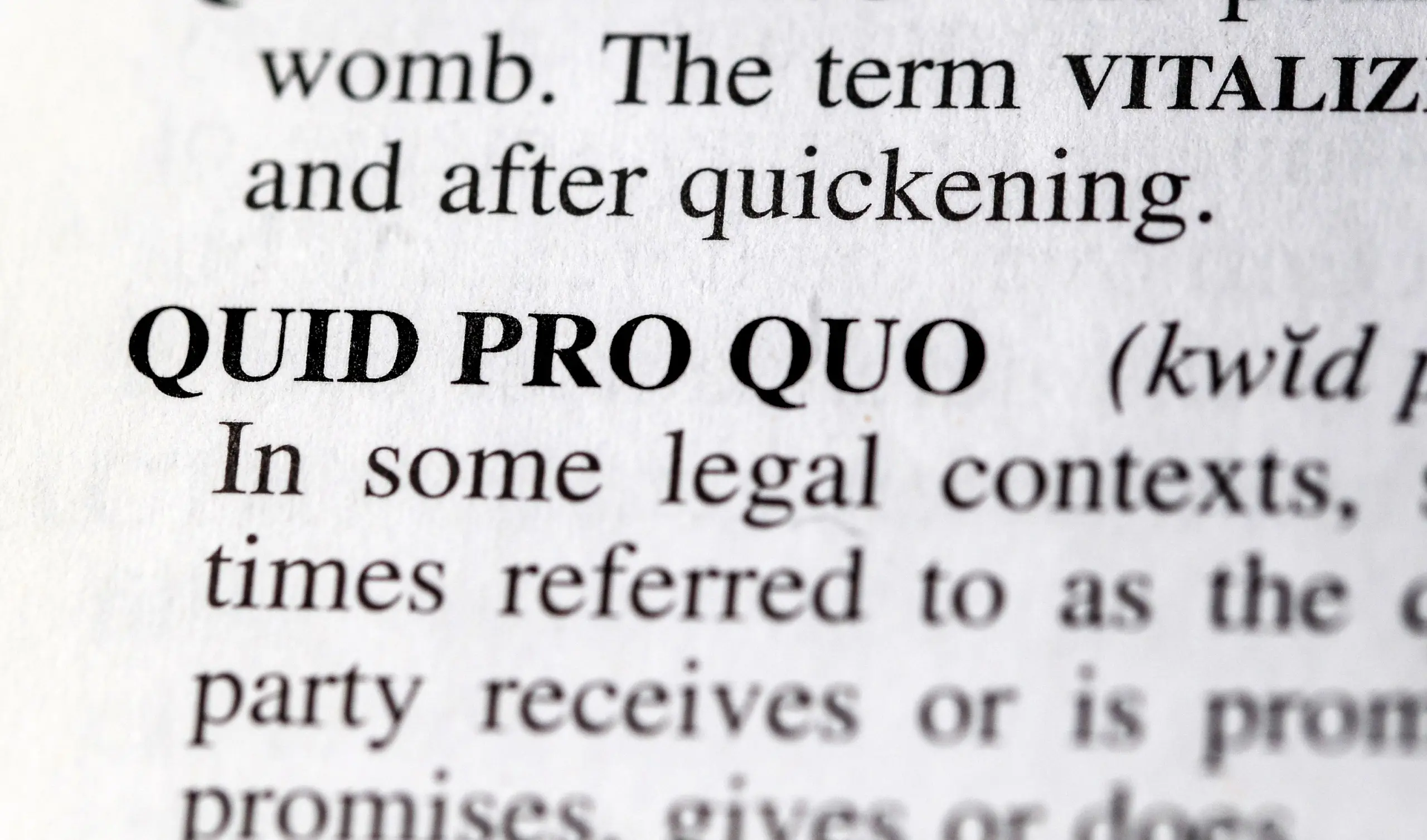
This is the “this for that” sign: any suggestion, explicit or implied, that your job, promotion, raise, schedule, or assignments depend on tolerating or participating in sexual conduct. A boss who hints that being “friendlier” would help your career is showing one of the most serious warning signs there is.
The Subtle Signs
These are the behaviors that create the gray area, the ones people most often talk themselves out of taking seriously. Individually they can seem minor. As a pattern, they are exactly what the “pervasive” standard was written to address.
6. Persistent Unwanted Attention After You’ve Said No

When someone will not take no for an answer, that is a sign. Repeated invitations after you have declined, constant messaging, “checking in” that feels more personal than professional, or romantic pursuit that does not stop when you signal disinterest. The persistence itself is the warning, even if no single message is explicit.
7. Sexual Jokes, Innuendo, and “Banter”

Harassment often hides inside humor. Sexual jokes, innuendo, and comments framed as “just kidding” can create a hostile environment when they are frequent and unwelcome. The “it was just a joke” defense does not make the conduct legal. If you feel you have to laugh along to keep the peace, that is worth noticing.
8. Invasive Questions About Your Personal Life

Repeated probing into your dating life, your relationships, your sexual history, or your personal life crosses from friendly curiosity into harassment when it is unwelcome and persistent. These questions are often a way of testing boundaries and signaling interest you have not invited.
9. After-Hours Messages That Feel Off

A coworker or supervisor who texts, DMs, or messages you after hours with content that drifts into the personal or suggestive is showing a subtle but real sign. Because these messages arrive on your own time and your own phone, people often discount them.
They shouldn’t. These communications are frequently the clearest evidence in a harassment case, and the fact that a boss is messaging you off the clock at all raises separate questions our guide on whether your boss can text you off the clock explores.
10. Staring, Gestures, and Body Language

Harassment is not always spoken. Leering, suggestive gestures, blocking your path, standing too close, or looking you up and down can all contribute to a hostile environment. This kind of nonverbal conduct is easy to dismiss because there are “no words to point to,” but it is a recognized form of harassment and often accompanies the other signs on this list.
A Sign That You’re Already in Dangerous Territory: Retaliation
There is one more sign worth flagging separately, because it usually means a situation has escalated. If you raised a concern, declined an advance, or reported inappropriate behavior, and your treatment at work suddenly changed (a worse schedule, exclusion from meetings, a surprise negative review, cooling from your manager), that retaliation is both illegal on its own and a strong signal that you need to protect yourself. Our guide on what to do if your boss retaliates against you covers what to watch for.
What These Signs Have in Common

Notice the common line across all ten: the conduct is unwelcome, and it is based on sex or gender. That is the legal core of harassment. The behavior does not have to be physical, it does not have to be explicit, and it does not have to be aimed only at you. What matters is whether it is unwelcome and whether, on its own or as a pattern, it is severe or pervasive enough to make your work environment hostile, intimidating, or offensive.
This is why the “am I overreacting” question is the wrong frame. A single severe incident can be enough. So can a steady accumulation of smaller behaviors that no one would flag in isolation. Our breakdown of workplace bullying and harassment goes deeper into how California evaluates these patterns.
If you are seeing these signs, a few things protect you regardless of what you decide to do next:
- Write it down. Keep a dated record of each incident on a personal device, with specifics and witnesses
- Save the evidence. Screenshot texts, save emails, preserve anything that could disappear
- Notice patterns. A log of “small” incidents over time is often more powerful than any single event
- Know that reporting is protected. Retaliation for raising a good-faith concern is illegal
Need Someone to Talk To? Call WCEL Today

If you recognized your own workplace in this list, trust that recognition. The people who end up with the strongest cases are very often the ones who noticed the early signs, started writing things down, and asked questions before the situation reached a breaking point. You do not need to be certain it is “bad enough” to ask for guidance. That is exactly what a consultation is for.
West Coast Employment Lawyers offers a free, confidential conversation to help you make sense of what you are experiencing, tell you honestly whether it crosses the legal line, and explain what your options are under California law. There is no pressure and no obligation.
Call us at (213) 927-3700 or reach out online for a free, confidential consultation.