
Racial discrimination in the workplace happens when individuals are treated unfairly because they belong to a certain race. Such conduct can affect hiring, promotions, pay, and working conditions, limiting equal access to fair opportunities. Many employees experience this type of behavior without realizing that they have legal protections that can safeguard them from unequal treatment in the workplace.
If you have faced racial discrimination, our skilled legal team can guide you through your options and determine the most effective steps to reach a favorable outcome. With over 20 years of managing employment law cases, we are prepared to take on complicated matters, guiding you through every step, advocating your rights, and holding employers accountable.
To set up a FREE consultation, you can connect with us by calling (213) 927-3700 or filling out our convenient online contact form.
Why Clients Trust Our Firm

Our legal team provides services for a variety of employment law matters, including workplace discrimination based on race, national origin, and other issues. Recognizing the unique factors in every case, we partner with clients to review their situation, compile evidence, and identify the most suitable course of action. Our attorneys provide comprehensive support, advocate for legal protections, and hold employers responsible.
Your Needs Come First

From the moment you contact us, we focus on what matters most to you, and how we can help you.
Reliable Communication

We believe in open communication. You’ll never be left wondering where your case stands or what comes next.
No Upfront Legal Fees

We only collect legal fees if we acquire a successful outcome, so you can focus on your recovery while we handle your case.
Multilingual Legal Services

With a large multilingual team on staff, we make it easy for you to understand your rights and feel fully supported throughout your case.
Attorneys Who Truly Care

Our team leads with empathy, ensuring you are understood, valued, and supported every step of the way.
What Does Racial Discrimination Mean?

Racial discrimination happens when someone experiences unequal treatment because of their race. This includes being passed over for promotions, having job opportunities denied, or experiencing unfair treatment from colleagues or supervisors. It arises when race, rather than ability or performance, shapes how an employee is treated.
What Are Examples of Race Discrimination?
Race discrimination can take on many forms, ranging from blatant actions to more subtle signs that can be harder to identify. Some examples include the following:
- Racial slurs
- Derogatory remarks
- Racially charged jokes
Even messages in writing, including emails and texts, may exhibit racial bias and foster an unfriendly work environment. Harassment based on race, unfair treatment during a job interview, or unequal opportunities for minority applicants are also common instances of discrimination. Furthermore, employment decisions involving work policies or practices can create a disparate impact. This occurs when policies or standards that appear neutral end up disproportionately affecting certain racial groups.
Employees can experience discrimination if coworkers or supervisors act on assumptions about their racial identity. This includes situations where assumptions about racial identity influence treatment or workplace interactions regardless of what that person’s actual background is.
What Laws Protect Employees From Race Discrimination?
Both federal and state legislation prohibit race discrimination, providing employees with workplace protections.
Title VII of the Civil Rights Act of 1964
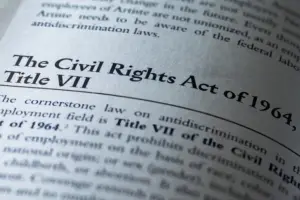
Title VII of the Civil Rights Act of 1964 is the primary federal law that prohibits race discrimination in the workplace. It makes it illegal for employers to treat workers or job applicants unfairly based on race, color, religion, sex, or national origin. This consists of all aspects of employment, from hiring and promotions to pay, termination, and workplace conditions. The Equal Employment Opportunity Commission (EEOC) is responsible for enforcing these laws.
The Civil Rights Act of 1866
Section 1981 of the Civil Rights Act of 1866 prohibits racial discrimination when creating or enforcing contracts, covering all employment-related matters, like hiring, termination, or overall working conditions. It is applicable to private employers, no matter their size, and permits victims to recover unlimited damages. Unlike Title VII (enforced through the EEOC), Section 1981 allows individuals to file lawsuits directly in federal court.
The Fair Employment and Housing Act

The Fair Employment and Housing Act (FEHA) is California’s primary law prohibiting workplace discrimination, including race and color discrimination. It protects employees from being treated unfairly in hiring, promotions, pay, termination, or other employment decisions because of racial identity. FEHA also covers workplace harassment, ensuring that racially hostile environments and disciplinary incidents are addressed, giving employees the opportunity to pursue remedies.
California Equal Pay Act

The California Equal Pay Act ensures that employees are given equal pay for substantially similar work regardless of gender, race, or ethnicity. This means employers cannot compensate employees of certain racial groups less than others doing the same work. The law aims to prevent systemic wage gaps resulting from racial discrimination and gives workers a chance to dispute unequal pay.
How Does Race and Color Discrimination Affect Employment Decisions?

Race and color discrimination can heavily influence employment decisions at each stage of the workplace experience. In hiring, eligible candidates may be overlooked or rejected because of their racial identity or skin color. Once hired, individuals may face unequal treatment when it comes to promotions, raises, job assignments, or access to training opportunities. As mentioned earlier, workplace policies or practices can have a disparate impact, disproportionately affecting employees of certain racial groups, even when the rules appear neutral.
When to Sue for Racial Discrimination?

You may be eligible to sue for discrimination if you experience racial harassment or unequal treatment in the workplace. Prior to filing a lawsuit, it is important to have the issue reported to your HR department and follow procedures outlined in your employment contract, such as submitting a formal complaint. When an employer do not correct the problem or discriminatory behavior continues, seeking legal recourse can help protect your rights and address the damage caused.
The time frame for suing over racial discrimination in California varies by filing agency. Filing with the DFEH allows up to three years to report the discriminatory act. Once the DFEH issues a “Right-to-Sue” notice, you will be given one year to file a lawsuit in California state court.
If you submit your complaint with the EEOC, you must file a charge within 180 days of the discrimination. This deadline can extend to 300 days if your claim also falls under a state or local anti-discrimination law. After the EEOC issues a “Right-to-Sue” letter, you will be given 90 days to file a federal lawsuit.
How Do You Prove Race Discrimination?

To prove race discrimination, you will need to gather evidence demonstrating you were treated differently because of your race. You should acquire detailed records of the incident, like notes about discriminatory comments, denied opportunities, or unequal treatment. Try to get witness statements by speaking to coworkers who witnessed the behavior as this can help support your claim. These can help establish a pattern of racial discrimination and support your case when you report the situation to HR, filing a formal complaint, or pursuing legal action.
What Are the Damages for Race Discrimination?

Employees who experience race discrimination may be entitled to various types of damages to address the harm they endured. Compensatory damages are intended to reimburse for actual losses, like lost wages, emotional distress, or harm to reputation. Punitive damages may also be given in cases where the employer’s conduct was particularly malicious or reckless.
This is made to punish the employer and deter future discrimination. In addition to these damages, courts may provide front pay, which compensates an employee for future lost earnings if reinstatement is not feasible. Many race discrimination cases also allow affected individuals to recover attorney fees, helping cover the cost of legal services.
When Should You Contact an Employment Discrimination Attorney?
Reaching out to an employment discrimination attorney early on is important if you experience race harassment or other workplace discrimination. They can guide you on your rights under anti-discrimination laws, help you submit a formal complaint, and ensure all filing requirements are met. Doing this can also help you preserve evidence and seek remedies when the employer does not respond effectively.
How Can West Coast Employment Lawyers Help?

Our law firm helps employees who have experienced unfair treatment in the workplace, including race discrimination. Whether you are a job applicant who has been denied opportunities or are a current employee dealing with unequal treatment, we are here to navigate you through your legal options. We will work to hold the employer accountable, helping you secure remedies while ensuring your rights are protected from start to finish.
To book a FREE consultation, you can connect with us by calling (213) 927-3700 or filling out our easy online contact form.
Frequently Asked Questions About Race Discrimination Cases
Can I Be Discriminated Against for More Than One Reason?
Discrimination can occur for multiple reasons at the same time. For instance, an employee might be treated unfairly because of a combination of race, gender, age, disability, or other protected characteristics. This is known as mixed or multiple discrimination, and it is unlawful for employers to take adverse actions based on more than one protected trait.
What Is the Impact of Racial Discrimination?
Racial discrimination can have serious effects on both employees and the workplace. It typically targets an individual's personal characteristics, leading to unequal treatment in terms of hiring, promotions, job assignments, or pay.
Other than professional setbacks, discrimination can trigger emotional stress and contribute to a hostile work environment. As time progresses, this can affect career growth, lessen job satisfaction, and tamper with overall productivity for the employee and the company.
How Much Is a Discrimination Lawsuit Worth?
The value of an employment discrimination lawsuit will vary depending on several factors, including:
- The severity of the discrimination
- Its effect on the employee
- The strength of the evidence presented
Some cases may result in modest settlements whereas others can be worth higher amounts. Because every situation has its own unique factors involved, consulting with an employment attorney is important to understand the full potential of your claim.
How Can Discrimination in the Workplace Impact Mental Health?
The mental health consequences of workplace discrimination can be severe. Workers who face persistent harassment or unfair treatment may suffer from stress, anxiety, and depression, particularly if they feel alone or unsupported.
These difficulties can affect attendance, performance, and overall health. Discrimination can also foster a workplace where employees find it hard to feel safe and confident in their roles.
Can I Be Discriminated Against by Someone From the Same Race?
There is such a thing as color discrimination, which can occur between individuals of the same race or ethnicity. Race and color sometimes overlap, but they are not necessarily the same.
Therefore, color discrimination may occur when an employee is discriminated against because of the lightness or the darkness of that person’s skin. Further, Title VII prohibits both racial and color discrimination against any persons, including Caucasians.
Can an Employer Refuse to Hire Someone Because of Their Race or Color?
The practice of racial discrimination in every aspect of employment, including hiring, firing, compensation, promotions, on training, and employee discipline is forbidden. An employer is guilty of racial discrimination when basing job related decisions on an employee’s race, or when they abide by seemingly neutral job policies that negatively affect members of a particular race.