

California workers rely on timely paychecks to cover bills, rent, childcare, groceries, and every other essential part of daily life. When employers delay wages, even by a few days, it can quickly spiral into serious financial and emotional stress.
That’s why California has some of the strictest wage payment laws in the country and these rules exist to protect workers from being taken advantage of. This guide explains everything California workers need to know about wage timelines and what to do when an employer refuses to pay what is owed.
How Often Must Employees Be Paid in California?

For most employees, California requires wages to be paid at least twice per month, and employers must post clear notice of regular paydays. Under California Labor Code sections 204 and 210, employers must follow these rules:
- Semi-Monthly Employees– For hourly workers, they must be paid twice per month, covering the 1st–15th of the month and the 16th–end of the month. These paychecks must be paid no later than the 26th and 10th of the following month.
- Weekly or Biweekly Employees– Must be paid within 7 calendar days of the end of the pay period
- Exempt Employees– Executive, administrative, and professional employees are often paid monthly, but even then, wages must be paid on or before the 26th of the month.
Commission, Bonuses, and Incentive Pay
These must be paid according to the terms of the compensation agreement, but cannot be unreasonably delayed. There is no legal justification for an employer to push your paycheck weeks late. Once a lawful payday passes, the wages are officially considered late, and penalties can begin.
How Long Can an Employer Legally Delay Paying You in California?

Employers can’t delay your wages at all and despite what some employers might tell you there is no grace period under California law. Once your scheduled payday comes and goes, the employer is violating state wage laws.
Why Would Employers Delay Paychecks
While some employers intentionally delay payment, most problems fall into a few common categories:
- Payroll or administrative errors– Incorrect time entries, missed approvals, system glitches, and wrong direct deposit information can often delay paychecks, but if these issues were made from the employer side, they must fix the issue promptly.
- Cash flow problems– Financial struggles or mismanagement can create an internal issue where company’s could not be able to pay their employees, but this does not relieve them from their legal obligations.
- Misclassification– If you’re incorrectly treated as an independent contractor or exempt employee, payday obligations may be mishandled.
- Retaliation or punishment– Some employers use late payments to pressure or intimidate employees. This is illegal and may trigger additional retaliation claims as per California Labor Code 98.6.
What Happens If Your Employer Doesn’t Pay on Time?
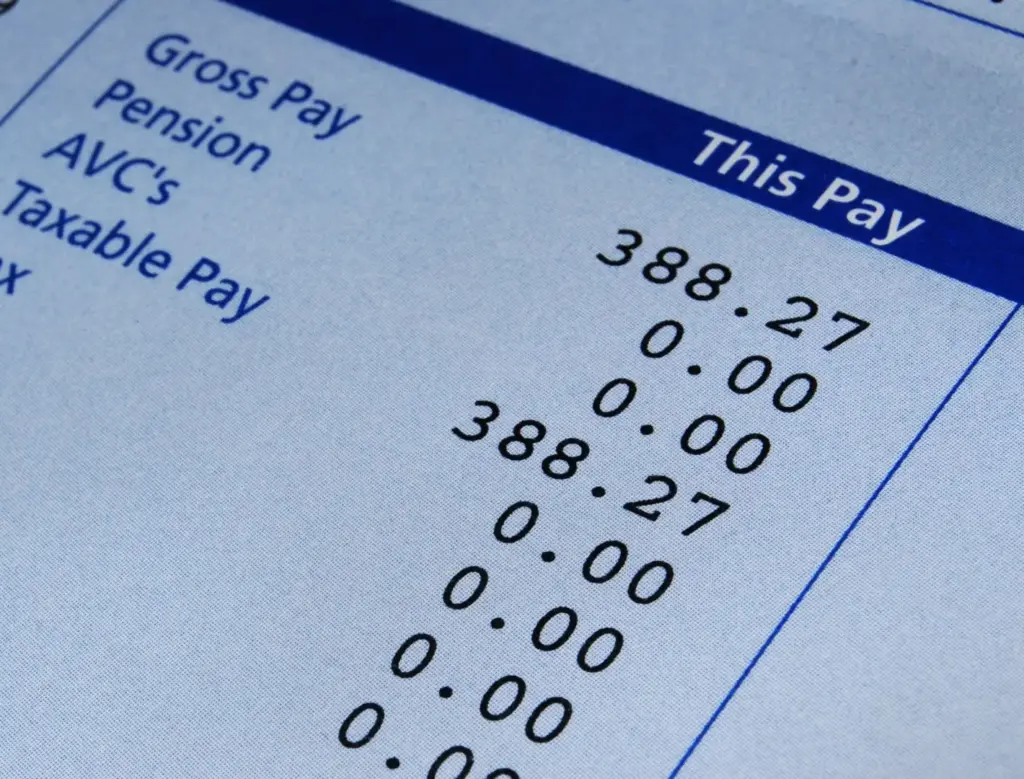
When an employer willfully delays a final paycheck, they may owe one full day of wages for each day the check is late, and this can stack up to 30 days as per California Labor Code 203.
For Example:
If you earn $220 per day and your employer delays your final paycheck for 15 days, you could be owed:
$220 × 15 days = $3,300 in penalties
(On top of the unpaid wages.)
This penalty exists to discourage employers from stalling payment or pressuring employees into signing releases, waivers, or settlement agreements in exchange for their final wages. That practice is illegal.
How Much Time Do You Have to File an Unpaid Wage Claim?

California gives workers different timelines to pursue unpaid wage claims. However, most wage claims must be filed within three years, while claims based on written contracts can be filed within four years.
Certain statutory penalties must be pursued within one year, and waiting time penalty claims generally fall under a three-year limit. Even with these deadlines, it is always best to act quickly because evidence is easier to collect and your case is stronger the sooner you move forward.
How to Protect Yourself When Wages Are Late
In order to protect yourself in these types of cases, taking proactive action is the best way to ensure your chances of getting the missing paychecks you deserve. As such, keep copies of the following:
- Timecards
- Pay stubs
- Emails or texts discussing your pay
- Work schedules
- Times you clocked in/out
On top of it all, it is recommended to keep detailed notes about when you worked and what happened at the time, because doing so can help wage and hour theft lawyers connect all the dots and that alone can go a long way in proving your case.
What to Do If Your Boss Hasn’t Paid Multiple Workers?

If a company is failing to pay multiple workers correctly, the entire workforce may file a class action claim to hold their company accountable. These cases often involve:
- Off-the-clock work
- Meal and rest break violations
- Misclassification
- Commission disputes
- Late final wages
- System-wide payroll issues
In these types of cases, a class or representative action can force an employer to change its practices and compensate everyone affected.
Can I Sue My Employer for Not Paying Me on Time in California?

If your employer is late paying your wages or final paycheck, you don’t need to face the situation alone. Delayed wages can create real financial strain, and California law gives you powerful protections, but enforcing those rights can be intimidating without legal guidance.
At West Coast Employment Lawyers, our attorneys have successfully recovered millions for workers across California who have faced wage theft, late paychecks, retaliation, and wrongful termination. We understand how employers try to justify delays, and we know how to hold them accountable quickly and aggressively.
You may be entitled to:
- Unpaid wages
- Waiting time penalties
- Interest
- Attorney’s fees
- Additional damages
Our consultations are free, confidential, and focused entirely on protecting your rights.
Call us today at (213) 927-3700 or submit a contact form to speak with an unpaid wages attorney. You worked for your wages, now let us fight to get them back.