

California has some of the strongest labor protections in the nation. Whether you’re a full-time employee, part-time worker, or independent contractor, knowing your rights under state law can make a major difference in how you’re treated at work. Unfortunately, many employers still violate these protections, often assuming workers don’t know what they’re entitled to.
At West Coast Employment Lawyers, we believe knowledge is power. Our experienced employment law attorneys have represented thousands of California employees in wage and hour disputes, discrimination claims, and wrongful termination cases.
Below, we’ve outlined 11 California labor laws every worker should know, so you can protect yourself, your paycheck, and your future.
1. Minimum Wage and Local Ordinances
California’s statewide minimum wage is among the highest in the country. As of January 1, 2025, the minimum wage for most employees is $16 per hour, under California Labor Code §1182.12.
However, many cities and counties in California (including Los Angeles, San Francisco, and San Diego) set even higher local minimum wages. Employers must follow whichever rate is higher.
If your employer pays you below the minimum, withholds tips, or fails to account for commissions, you may be owed back pay and penalties.
2. Overtime Pay and Double Time

Under California Labor Code §510, non-exempt employees are entitled to overtime pay at 1.5 times their regular rate for:
- Any hours worked over 8 in a single day,
- Over 40 in a workweek, or
- The first 8 hours on the seventh consecutive workday.
You’re also entitled to double time (2x pay) for hours worked over 12 in a single day, or over 8 hours on the seventh consecutive workday. If your employer misclassifies you as exempt to avoid paying overtime, that’s a violation of California’s wage and hour laws and may entitle you to significant unpaid wages.
3. Meal and Rest Break Requirements

California law mandates meal and rest breaks to protect workers’ health and safety.
- Employees working more than 5 hours must receive a 30-minute unpaid meal break.
- Those working over 10 hours are entitled to a second meal break.
- For every 4 hours worked, you must also receive a 10-minute paid rest break.
If your employer fails to provide these breaks, or forces you to work through them, you’re owed one additional hour of pay for each violation under California Labor Code §226.7.
4. Equal Pay and Fair Pay for All

California’s Equal Pay Act (Labor Code §1197.5) prohibits paying employees less for similar work based on gender, race, or ethnicity.
Employers must justify pay differences using legitimate factors such as experience, education, or performance. In recent years, California expanded this law to include pay transparency requirements (meaning job postings must disclose pay ranges for most positions).
If you believe you’re being paid less than colleagues for equal work, a skilled employment attorney can help you hold your employer accountable.
5. Paid Sick Leave and Kin Care Rights

The Healthy Workplaces, Healthy Families Act of 2014 requires nearly all California employers to provide paid sick leave. As of 2024, employees must accrue at least 5 paid sick days per year.
You can use sick leave to care for yourself or a family member (including parents, children, or a registered domestic partner). Employers cannot retaliate against you for taking protected leave.
Failing to provide or track sick leave accurately may constitute a wage and hour violation under the California Labor Code.
6. California Family Rights Act and Job-Protected Leave
The California Family Rights Act (CFRA) gives eligible employees up to 12 weeks of job-protected leave per year for:
- The birth, adoption, or foster placement of a child,
- A serious health condition (yours or a family member’s), or
- Certain military-related circumstances.
Employers with five or more employees must comply. While this leave is unpaid, you’re entitled to return to your position (or a comparable one) once your leave ends. Violations, such as firing or demoting an employee for taking CFRA leave, can form the basis of a wrongful termination claim.
7. Protection Against Workplace Discrimination and Harassment

The California Fair Employment and Housing Act (FEHA) protects workers from discrimination, harassment, and retaliation based on protected characteristics such as:
- Race, color, national origin, or ancestry
- Religion
- Sex, gender identity, or sexual orientation
- Age (40+)
- Disability or medical condition
Employers must maintain a fair employment environment free of discrimination and harassment. Unwelcome sexual advances, hostile comments, or retaliation after reporting misconduct are all illegal.
If you’ve faced workplace discrimination or harassment, WCEL’s employment lawyers can help you pursue justice through a formal complaint with the California Civil Rights Department or a civil lawsuit.
8. Wage Theft and Unpaid Wages Protections

Wage theft is one of the most common labor violations in California. It occurs when an employer fails to pay employees what they’ve legally earned. This can include:
- Not paying overtime,
- Failing to issue paychecks on time,
- Making unlawful deductions, or
- Not paying for off-the-clock work.
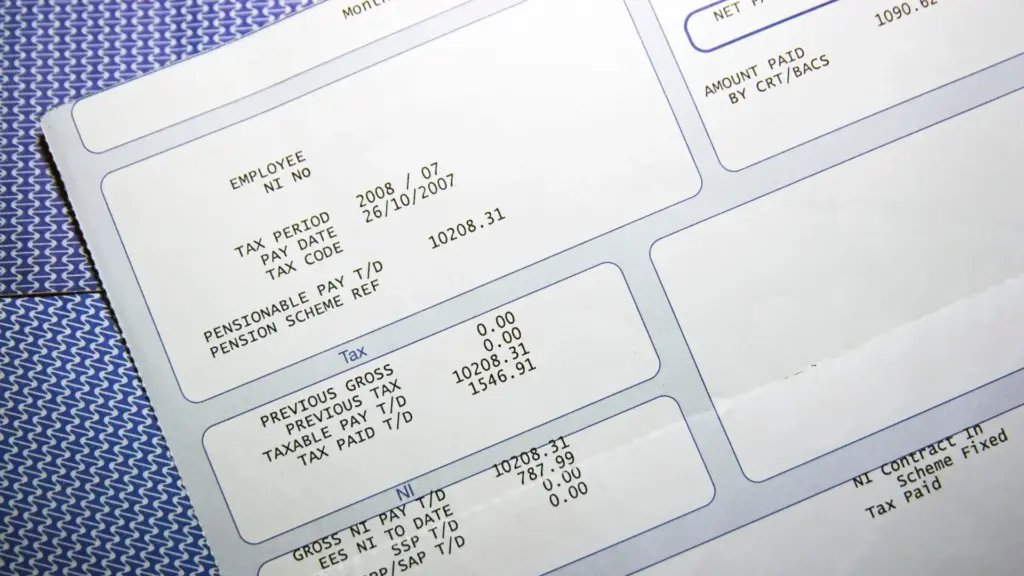
Under the Wage Theft Protection Act, employees must receive accurate pay stubs each pay period showing hours worked, rate of pay, and deductions.
If you’re missing wages or your pay stubs look suspicious, WCEL’s employment law attorneys can help recover lost wages, penalties, and interest through the California Labor Commissioner’s Office.
9. Independent Contractor Misclassification (AB 5 and the ABC Test)

The AB 5 law, effective since 2020, redefined how California distinguishes independent contractors from employees.
Under the ABC Test, a worker is presumed to be an employee unless the employer can prove:
A. The worker is free from control and direction;
B. The work is outside the company’s usual business; and
C. The worker is customarily engaged in an independent trade or occupation.
Employers who misclassify employees as contractors often do so to avoid paying overtime, benefits, or payroll taxes (a serious labor standards enforcement issue.)
10. Final Pay, Pay Stub Accuracy, and Unlawful Deductions
When an employee quits or is terminated, California Labor Code §§201–203 require that all final wages, including unused vacation, be paid immediately (or within 72 hours if you resign without notice).

Employers must also provide itemized pay stubs each pay period showing:
- Gross and net wages
- Hours worked
- Pay rate
- Deductions
- Employer and employee information
Failure to provide this information or withholding pay can result in waiting time penalties equal to your daily wage for up to 30 days.
11. Retaliation and Whistleblower Protections

California protects employees who report illegal or unsafe activity under Labor Code §1102.5. Employers cannot retaliate by firing, demoting, or harassing employees who:
- Report wage violations,
- File workplace safety complaints, or
- Testify in employment law cases.
If your employer violated these rights, you may be entitled to reinstatement, back pay, and emotional distress damages. WCEL’s legal team helps employees take legal recourse when retaliation or whistleblowing leads to termination.
Why Knowing California Labor Laws Matters
Every California employee has fundamental legal rights that protect against exploitation and ensure fair treatment in the workplace. Knowing the rules about meal breaks, minimum wage, and overtime pay doesn’t just help you identify unfair practices, it strengthens your ability to act quickly if your employer fails to comply with the California Labor Code.
When employees are informed, they can spot wage violations, prevent workplace injustice, and help protect workers across industries.
How West Coast Employment Lawyers Can Help You Protect Your Rights

If you believe your employer violated California’s wage and hour laws or any other labor protections, WCEL is ready to help. Our experienced employment attorneys have extensive experience representing employees across Los Angeles County and throughout California.
We help clients in all types of employment law cases, including:
- Wage and hour disputes
- Workplace discrimination and harassment
- Wrongful termination
- Employer retaliation and whistleblower claims
We offer free consultations and work on a contingency fee basis, meaning you don’t pay unless we win.
Call (213) 927-3700 today or contact us online to schedule your free consultation. Let our law firm fight for your rights, recover your unpaid wages, and hold employers accountable for violating California labor laws.