
Experiencing unfair treatment because of your beliefs can be upsetting and isolating. Not only will it affect your career, but your sense of self-worth and belonging, as well. Religious discrimination in the workplace can take on various forms, from subtle exclusion and harassment to denial of promotions or wrongful terminations.
At West Coast Employment Lawyers, our team is devoted to help individuals manage these difficult situations by taking care of religious discrimination cases with the utmost level of care and expertise. We will hold employers accountable and acquire fair remedies, ensuring each of our clients rights and dignity are protected all throughout the legal process.
To book a FREE consultation, we invite you to get in touch with us by calling (213) 927-3700 or completing our quick online contact form.
Why Choose Us?

If you are experiencing mistreatment because of your religious practices or beliefs, it is important to have a legal team on your side that knows how to handle such discrimination. At our law firm, our employment attorneys will ensure that you are treated fairly and that your rights are protected. We will carefully assess each situation to balance your needs with the realities of the employer’s business, advocating for reasonable accommodations, remedies, and a resolution that will uphold justice and dignity.
Accidents can happen anytime and anywhere, which is why we are available 24/7 to give you the legal representation you need.
We have spent nearly 30 years fighting for victims, always securing results they can rely on.
Stay informed every step of the way. We provide transparent updates you can rely on.
We handle your case with zero upfront fees, taking our portion only from the money we recover on your behalf.
Our multilingual staff provides personal, respectful, and easy to follow guidance, no matter what language you speak.
Here for You 24/7

Results You Can Trust

Always in the Loop

No Fees Upfront

Extensive Multilingual Team

What Is Religious Discrimination?

Religious discrimination happens when a person is treated differently because of their religious beliefs or practices. This involves forming decisions or demonstrating behavior that singles someone out for their faith or how they observe their religion.
In most cases, such treatment is prohibited by state and federal law and employer or employee is caught violating a person’s right to practice their religion will be held accountable for their actions.
What Qualifies as Religious Discrimination in the Workplace?
Religious discrimination in the workplace occurs when an employer makes unfair decisions because of an employee’s religious beliefs. Qualifications may include an employer refusing to do either of the following:
- Hire
- Promote
- Retain
It may also happen when an employer does not provide reasonable accommodations for religious observance, such as prayer, religious attire, or time off for religious holidays, when such a request is possible without undue hardship.
What Religions Are Protected Under the Law?
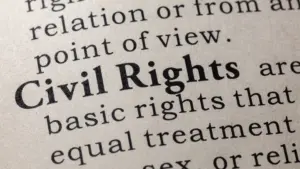
Title VII of the Civil Rights Act of 1964 protects employees from discrimination based on religion. It covers a wide range of belief systems, including Christianity, Judaism, Islam, Hinduism, Buddhism, and other traditional religions, as well as sincerely held religious beliefs that may be less common or not formally organized.
These protections come from basic human rights principles and are enforced by the Equal Employment Opportunity Commission (EEOC). The law requires employers to treat employees equally regardless of what their religious beliefs are and to provide reasonable accommodations for religious practices only if it does not create undue hardship for the company.
In addition to federal protections, California law protects employees under the Fair Employment and Housing Act (FEHA), which makes religious discrimination and harassment illegal. Employers must accommodate religious practices unless doing so would create significant hardship. Simply put, while federal law sets the baseline, state law will play a critical role in enhancing workplace protections against religious discrimination.
What Is an Example of Religious Discrimination?
Religious discrimination in the workplace can happen in various ways, where it could show up in subtle but harmful ways. Below are some examples of discriminatory conduct:

- Refusing to provide reasonable time off or schedule changes for religious holidays but allowing flexibility for personal or non-religious reasons
- Denying a promotion or job opportunity because of an employee’s religious beliefs or religious observance
- Requiring an employee to participate in religious activities at work or pressuring them to abandon their own beliefs
- Allowing others to make offensive comments or jokes towards an employee because of their religion and not stopping the behavior from continuing
- Creating workplace policies that unfairly impact an employee’s religion
When either of these actions single out an employee’s religion and lack valid business reason, such conduct may be considered illegal under employment laws.
What to Do if You Experience Religious Discrimination?

Experiencing religious discrimination at work requires careful steps to safeguard your rights. Begin by keeping a detailed record of each incident, noting when and what happened. Keep copies of emails, text messages, or policies demonstrating the unfair treatment you endured.
You can also have the situation reported to your supervisor or HR department. Be sure to note if the discrimination involves your ethical beliefs connected to your sincerely held religion. Include any discrimination related to your ethical beliefs as part of your sincerely held religion in your records. If internal channels fail, you can submit a complaint with the EEOC or the appropriate state agency. An employment attorney who specializes in religious discrimination can help you navigate your options.
Can You Sue for Religious Discrimination?

You can sue for religious discrimination if you have been treated unfairly at work because of your religion or ethical beliefs. Under federal law, employees are protected against hiring, firing, harassment, or denial of reasonable accommodations for religious practices.
Before filing a lawsuit, you will have to first submit a complaint with the EEOC within 180 days of the discriminatory act. This deadline can be extended to 300 days if a state or local anti-discrimination agency also enforces laws barring religious discrimination. Once the EEOC issues a “right-to-sue” notice, you will usually be given 90 days to take legal action in court.
How to Prove Religious Discrimination at Work?
To establish a claim of religious discrimination at work, you need to demonstrate that your religion or ethical beliefs were the reason for unfair treatment. The critical steps are:

- Establish that you belong to a protected religious group and your employer knew (or reasonably should have known) about it
- Show that you experienced an adverse employment action (being disciplined, denied a promotion, or terminated)
- Keep records of interactions (emails, messages, performance reviews, and written accommodation requests)
- Gather witness statements from coworkers who noticed discriminatory conduct to support your claim
- Note down when your employer refused a reasonable religious accommodation without explaining how it could cause undue hardship for the business
- Provide patterns of discriminatory behavior (complaints made to HR, management responses, and retaliation)
These elements can help prove that such actions contributed to employment discrimination.
What Damages Can I Claim in Discrimination?
In a discrimination case, you may be entitled to damages that cover both financial losses and the personal harm caused by the unlawful conduct. Remedies in religious discrimination lawsuits can include:

- Back pay: Covers wages, benefits, or other earnings you lost because of the discriminatory action
- Reinstatement: Allows the employee to return back to their position or a comparable role
- Compensatory damages: Consists of emotional distress, reputational harm, and other non-economic losses connected to the discrimination
- Punitive damages: In more serious cases, this may be given to punish the employer for exhibiting reckless or malicious conduct, and to discourage similar behavior in the future
The availability and amount of these damages will depend on certain factors, like the severity of the discrimination, employer size, and applicable laws.
Have You Experienced Religious Discrimination at Work? Contact West Coast Employment Lawyers Today

If your religious beliefs have led to unfair treatment, learning your rights can help you decide your next steps. At West Coast Employment Lawyers, our religious discrimination attorneys can help assess your situation, collect evidence, and navigate you through the process of holding your employer accountable. We will explore your legal options, ensuring you can seek remedies for losses you endured while protecting your future in the workplace.
To set up a FREE consultation, you can reach out to us by calling (213) 927-3700 or filling out our convenient online contact form.
Frequently Asked Questions About Religious Discrimination Claims
Do I Have to Tell My Employer About My Religion to Be Protected?
You do not have to disclose your religion to be protected under the law. Employees are shielded from discrimination based on religion even if they do not explain their beliefs. However, in most cases when accommodation is needed, the employer will need to be aware of the religious belief or practice so they can act on it. An employer cannot be expected to accommodate an employee's religious needs if they do not know a conflict exists.
Once an employee makes the employer aware that work-related tasks are conflicting with a religious practice, the employer has a duty to consider reasonable options. Accommodation obligations will then begin after notice, and any negative treatment that follows may raise concerns under anti-discrimination laws.
Can an Employer Deny a Job Offer Because of Religious Beliefs?
An employer cannot deny a job because of religious beliefs since that would be considered as illegal discrimination. Protections apply not only to current employees, but job applicants, as well. If a job applicant believes that they were rejected because of their religious beliefs, consulting with a qualified attorney can help determine whether discrimination happened and what legal options may be available.
Can an Employer Ask Religious Questions During a Job Interview?
Employers cannot ask questions during interviews that are made to expose an applicant's religion or religious practices, especially if it is used to screen people out. The focus must remain on qualifications, skills, and the ability to perform essential job functions, with or without reasonable accommodations.
Can Dress Codes or Grooming Policies Violate Religious Rights?
Employers may violate religious rights by enforcing dress codes or grooming policies that discriminate or fail to accommodate sincerely held religious beliefs. Issues may arise when such policies disproportionately limit religious expression, such as banning head coverings or restricting faith-based grooming practices.
A headwear ban, for instance, may unlawfully impact employees who wear a Muslim headscarf as part of their religious practice. Likewise, grooming policies that prohibit hairstyles worn for religious observance can be unlawful when employers refuse reasonable accommodations without a valid business reason.
What Is a Hostile Work Environment Based on Religion?
Religious harassment can reach the level of a hostile work environment when it is severe or pervasive enough to interfere with an employee’s work performance or create intimidating or offensive working conditions.
This behavior targets particular religions and extends beyond occasional conduct. Examples include repeated mockery or efforts to pressure an employee to alter or abandon religious practices. In extreme situations, one act may be sufficient if it is especially serious.
Can You Have a Bible on Your Desk at Work
Employees may keep a bible or other religious items on their desk at work, however, there may be instances where employees are not allowed to display such items if it places an undue burden on business operations.